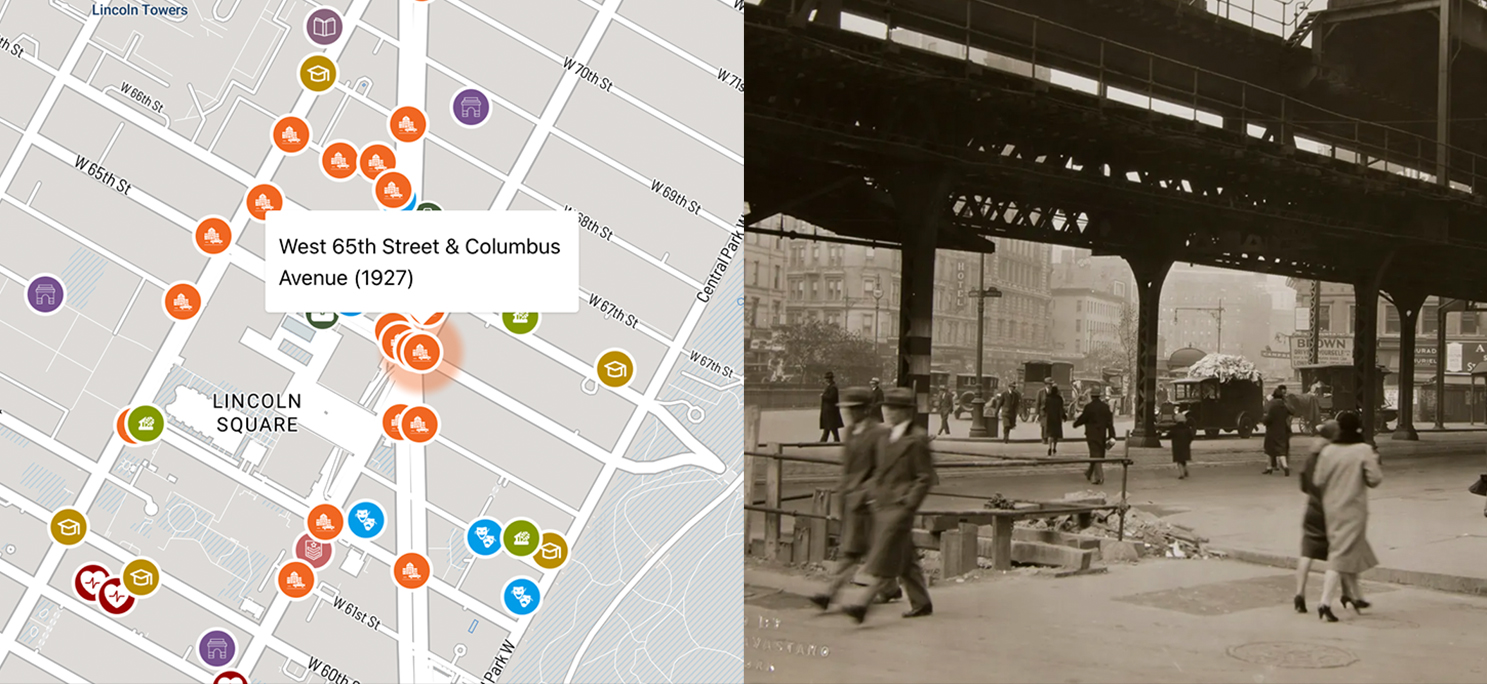
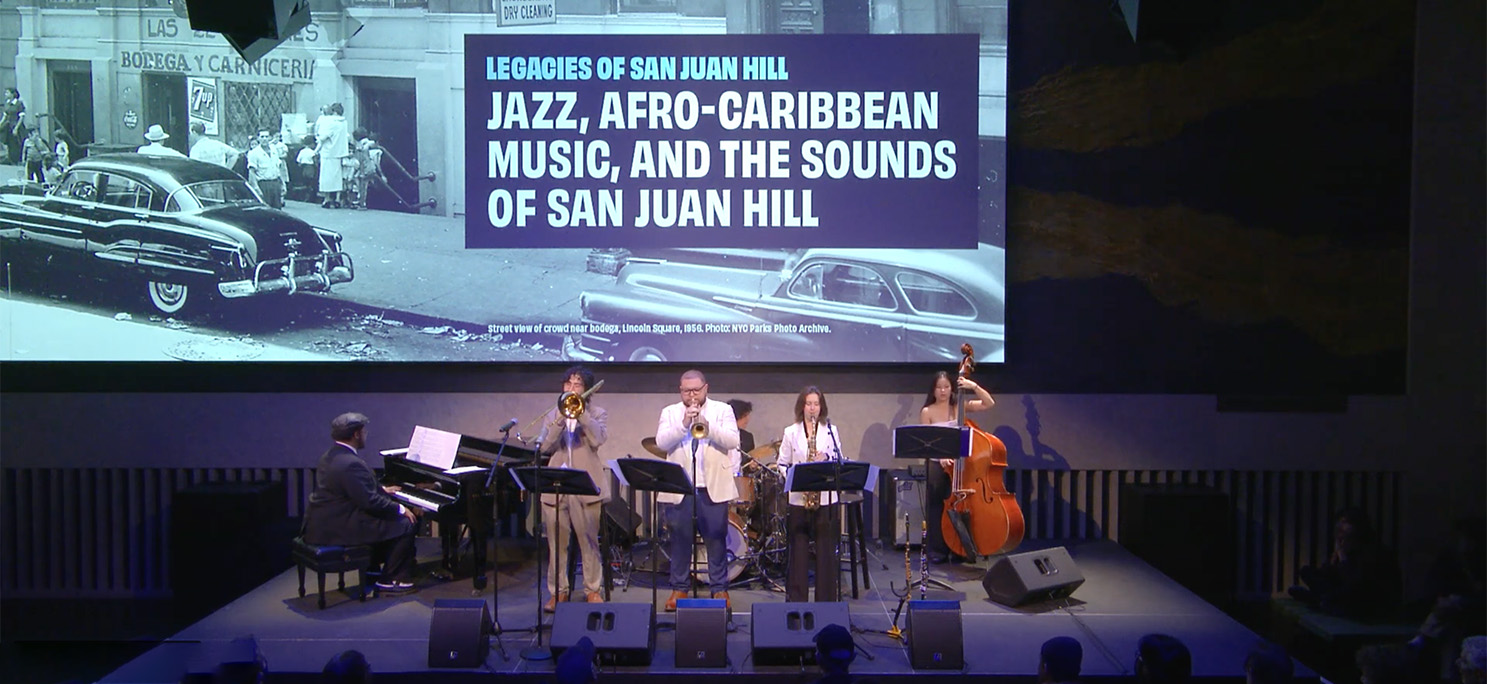
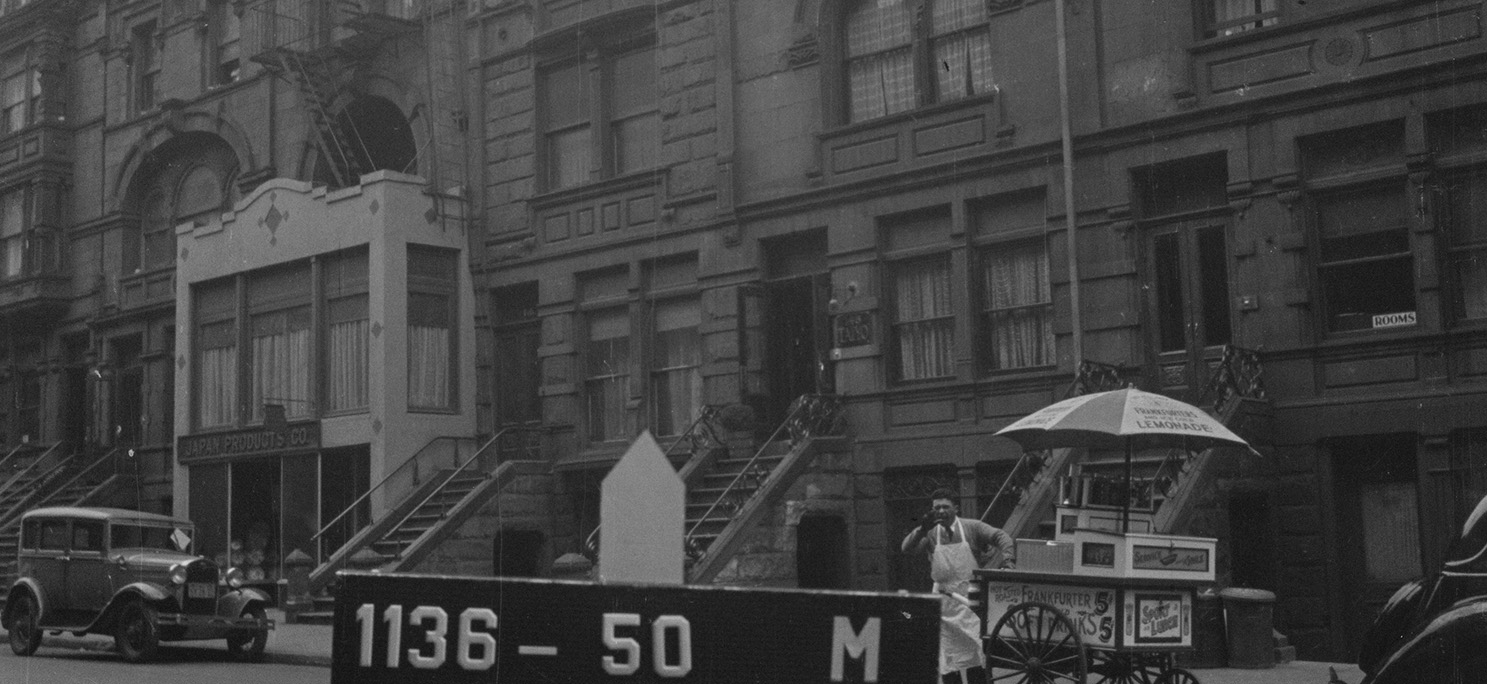
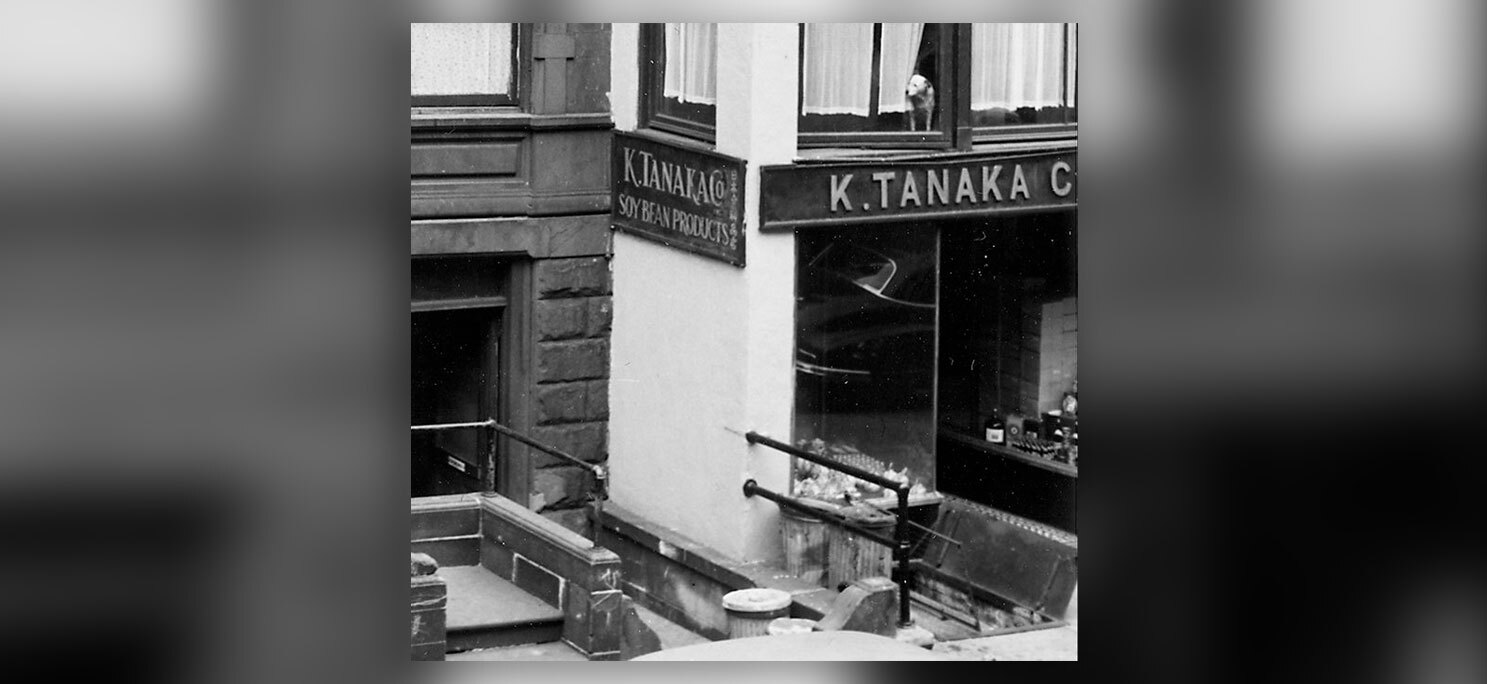
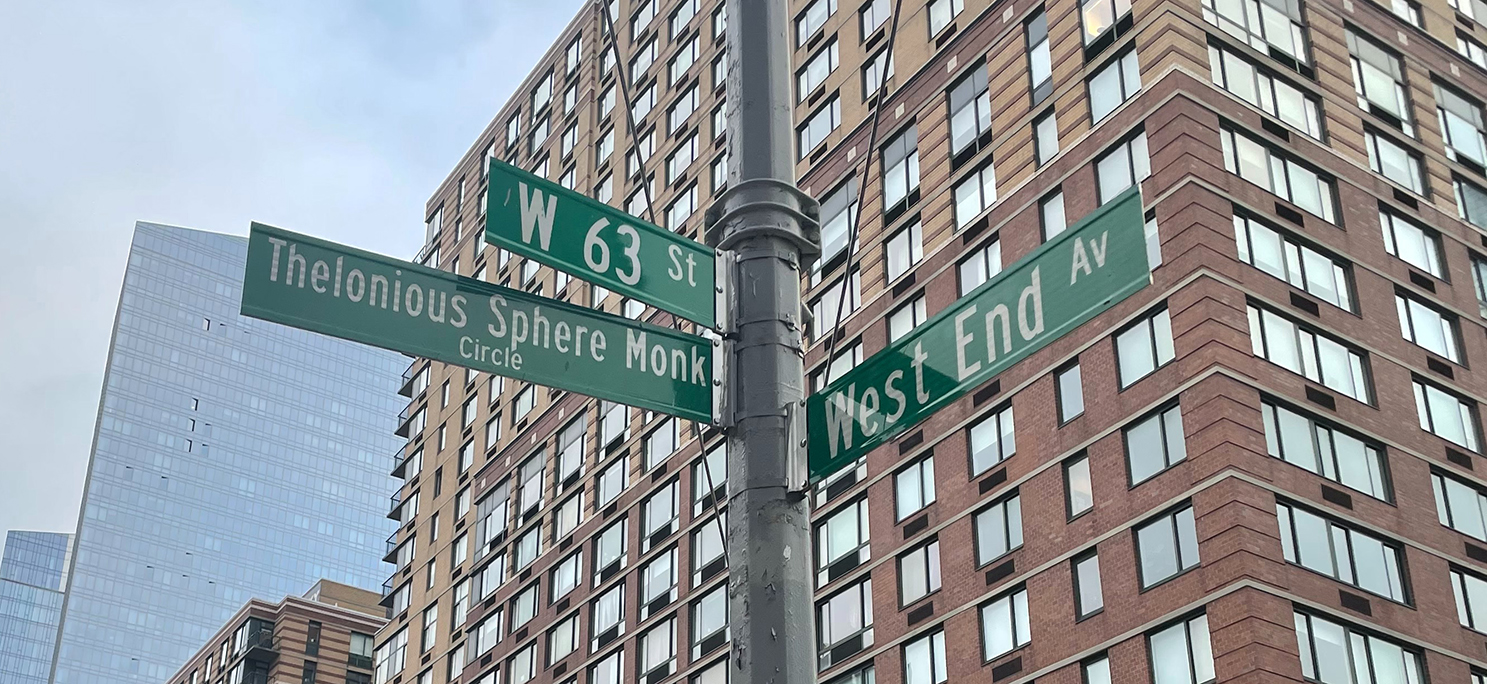
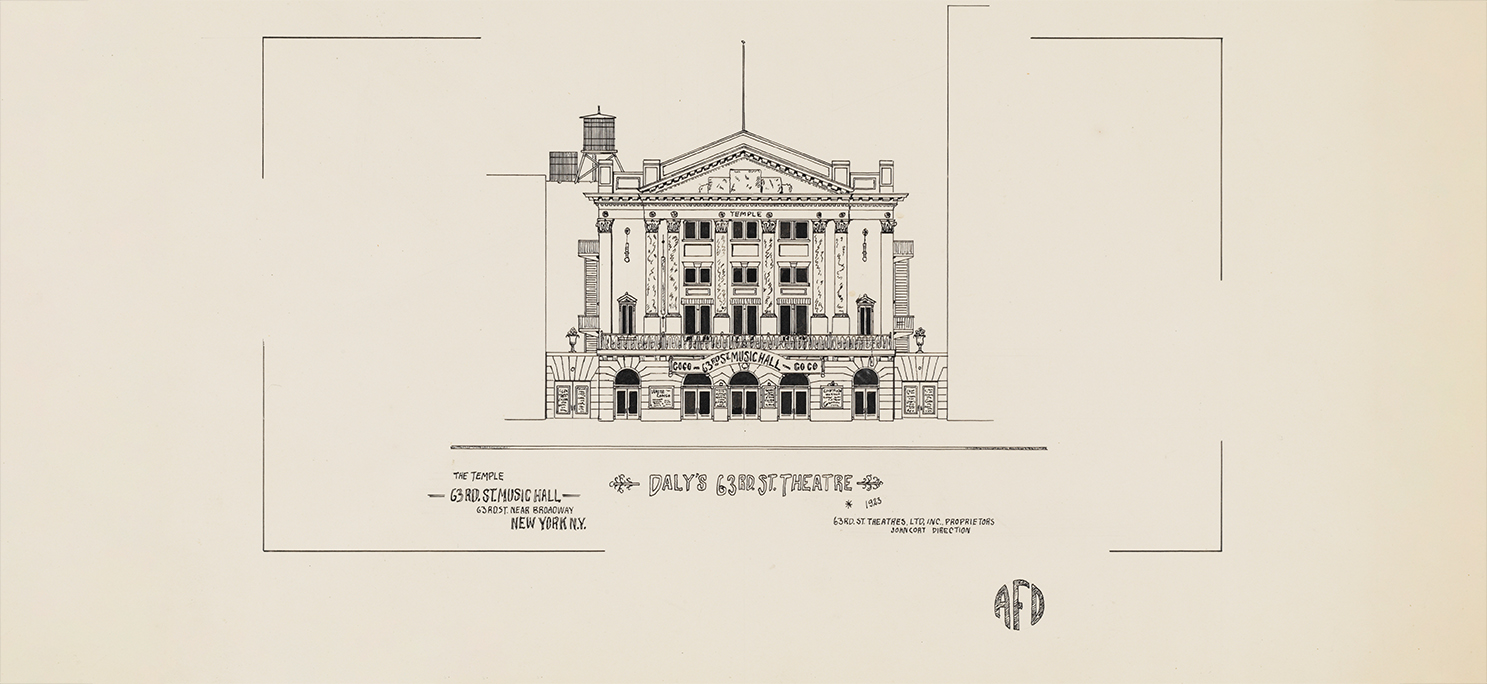
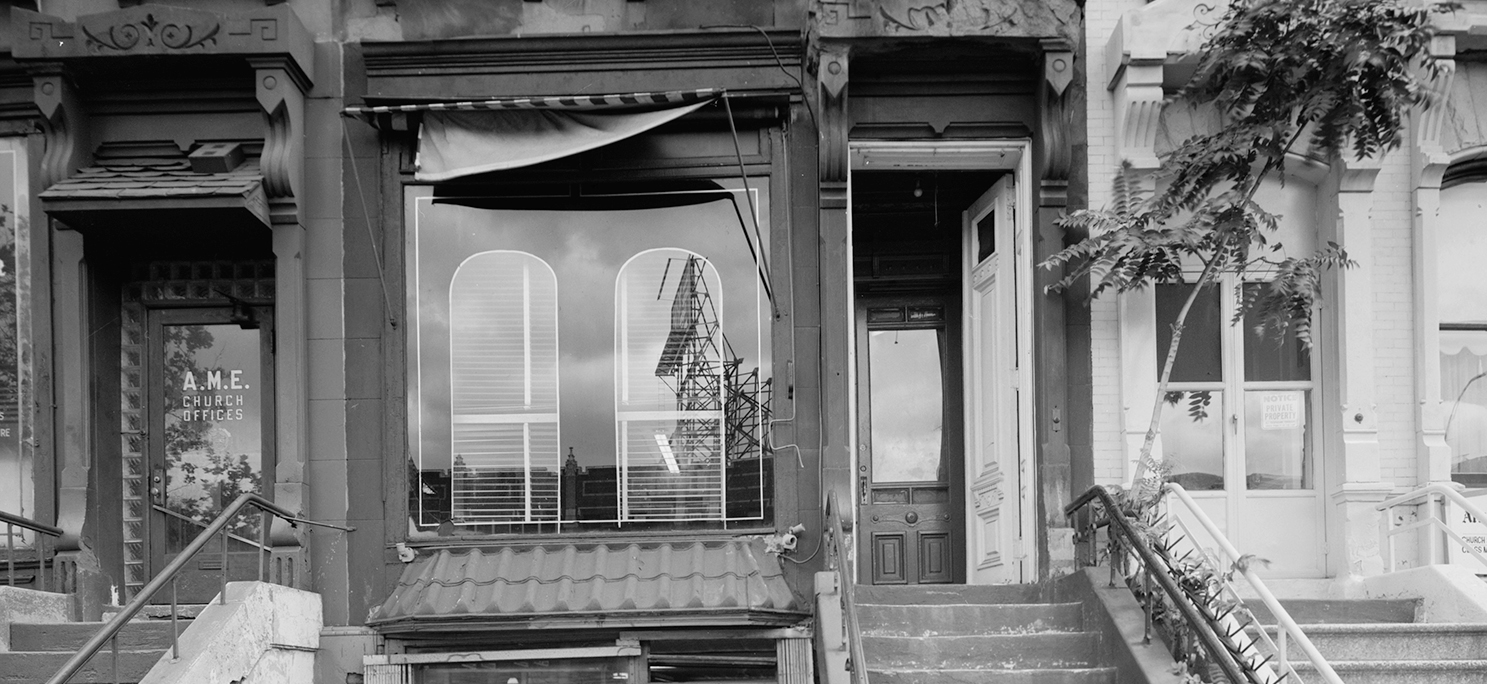
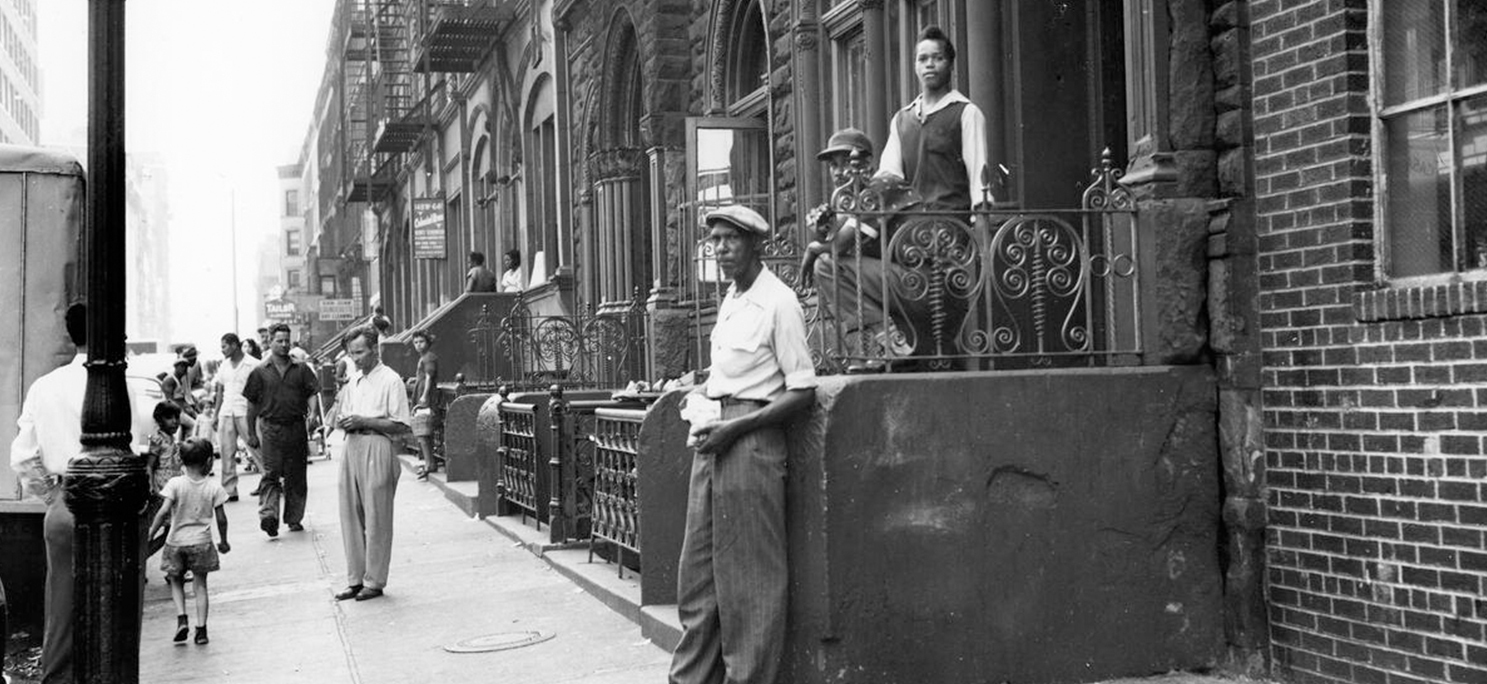
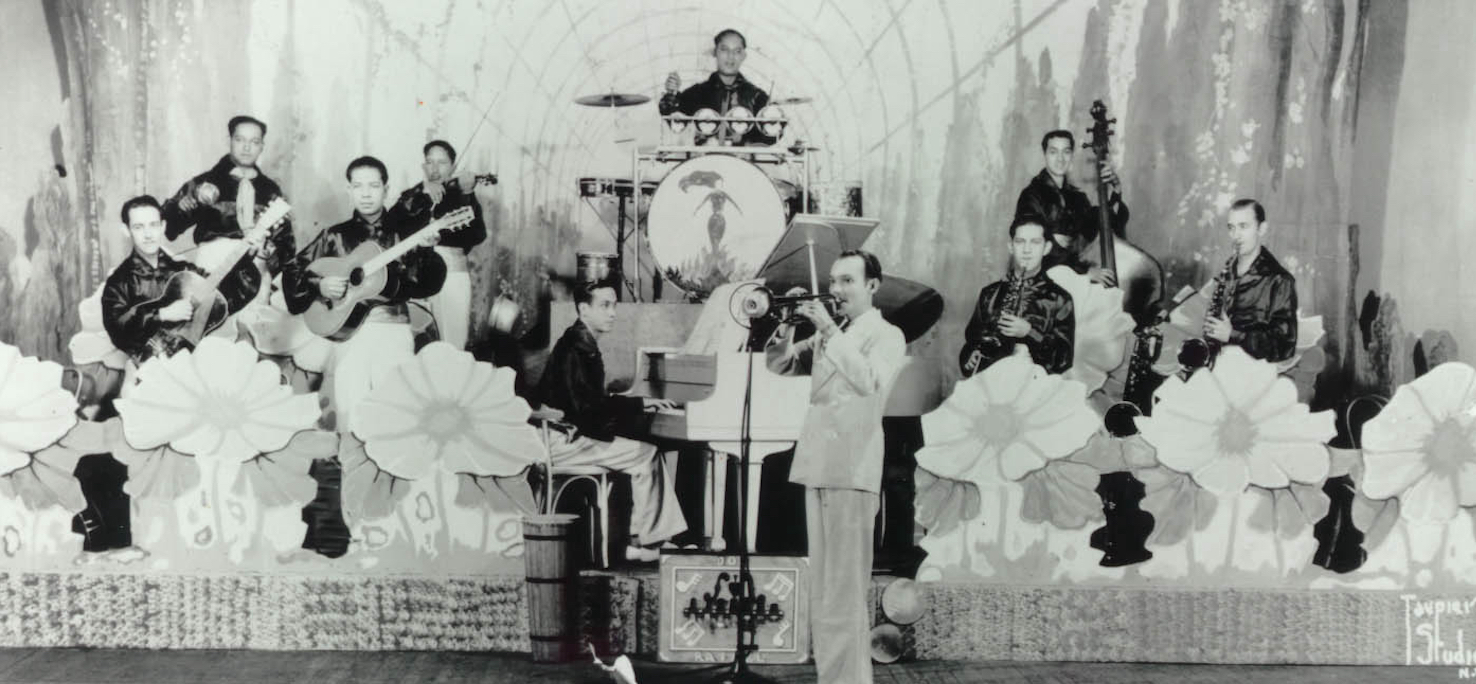
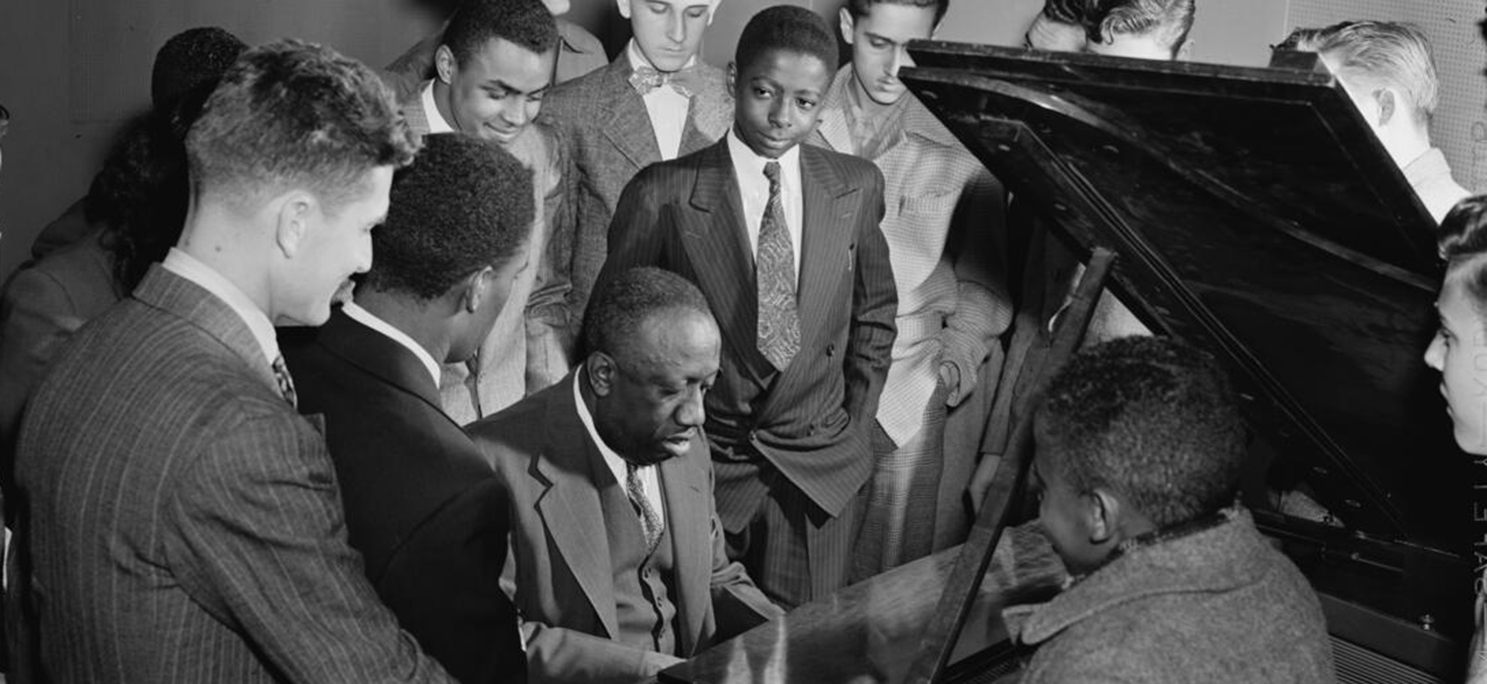
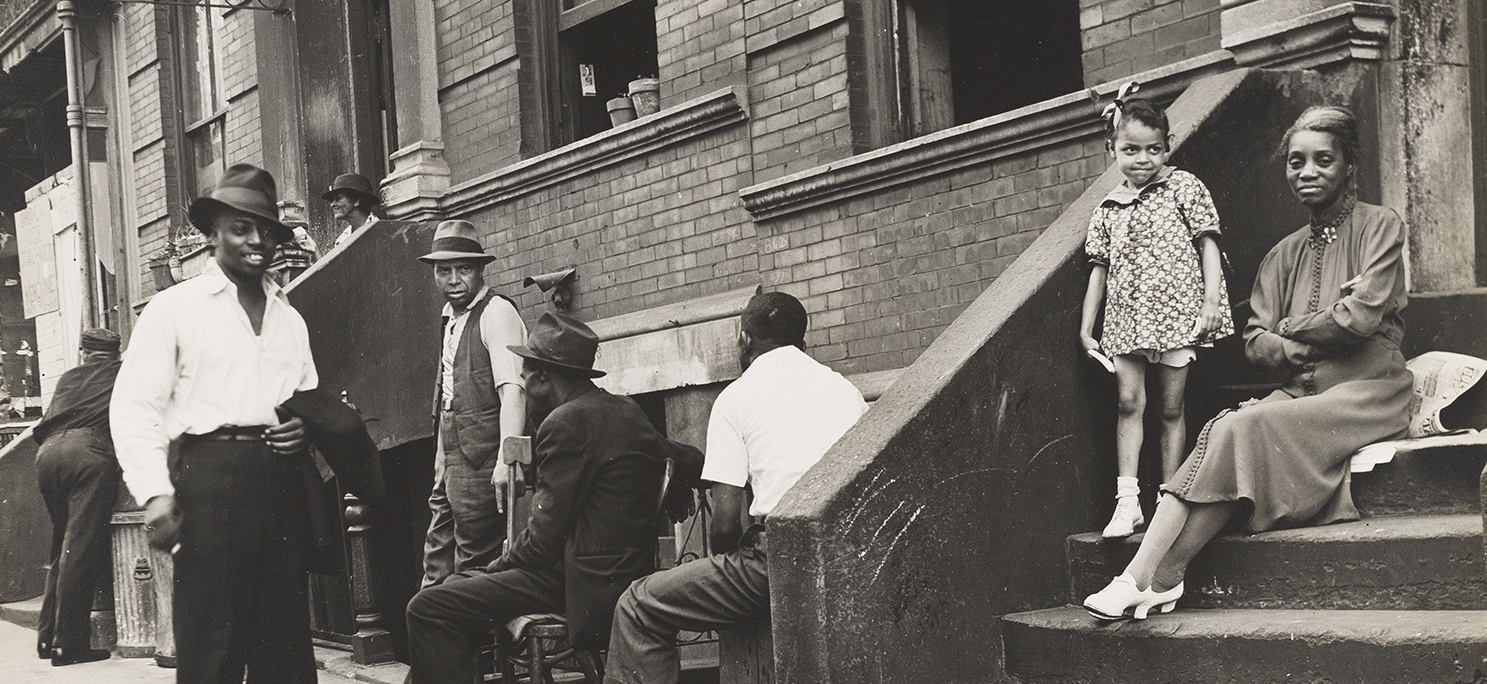
In the first half of the twentieth century, the area around where Lincoln Center resides today was known to many as San Juan Hill.
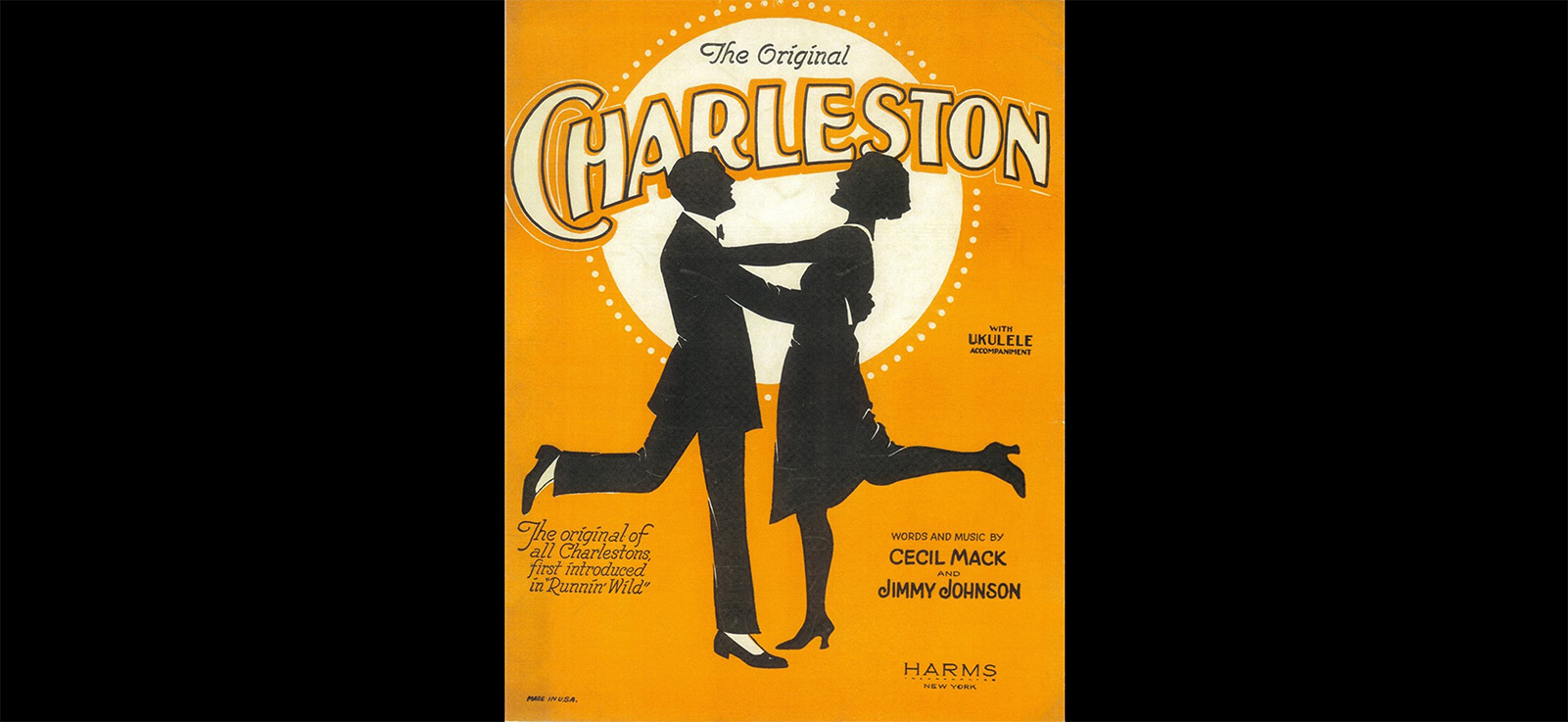
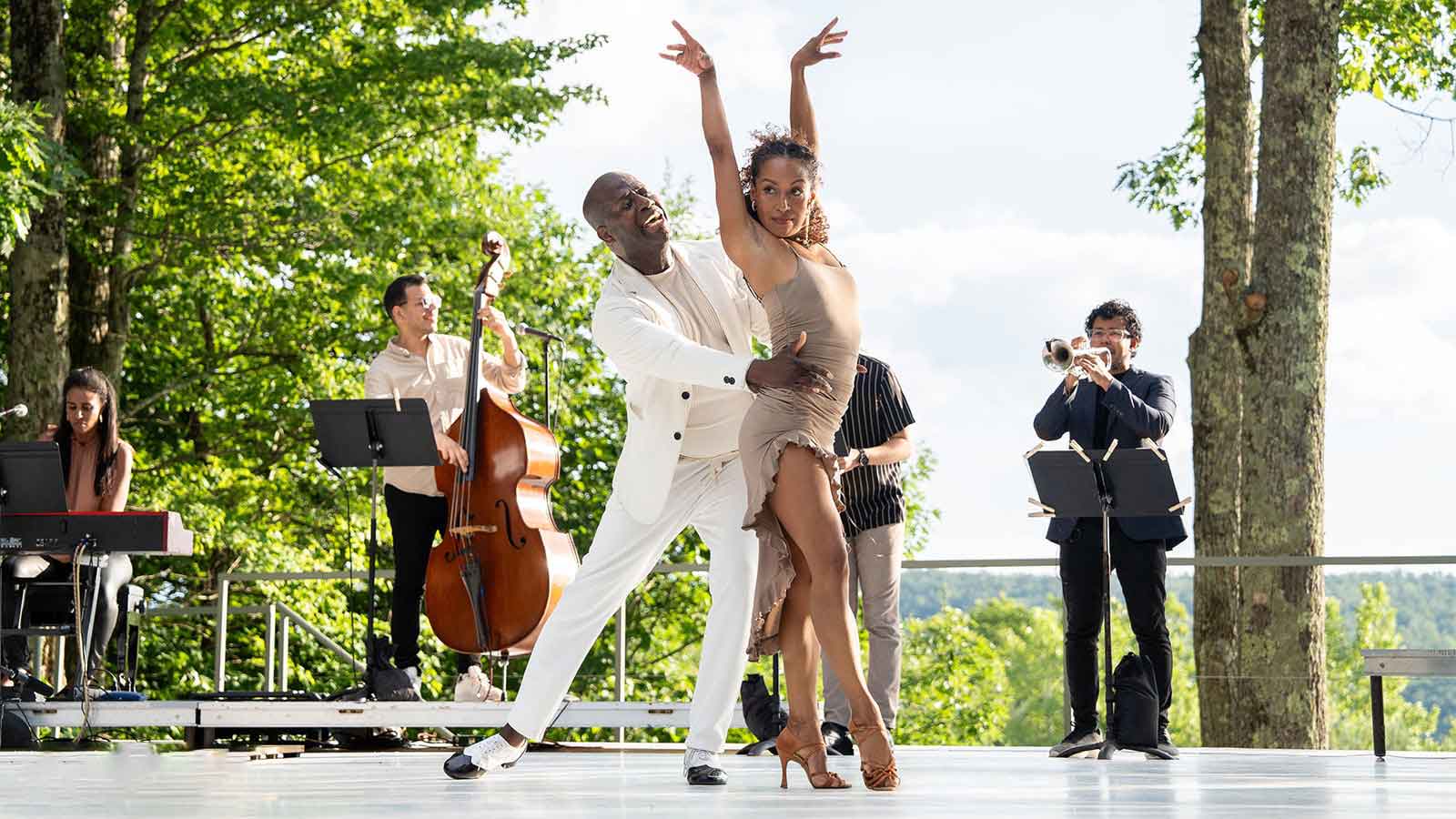
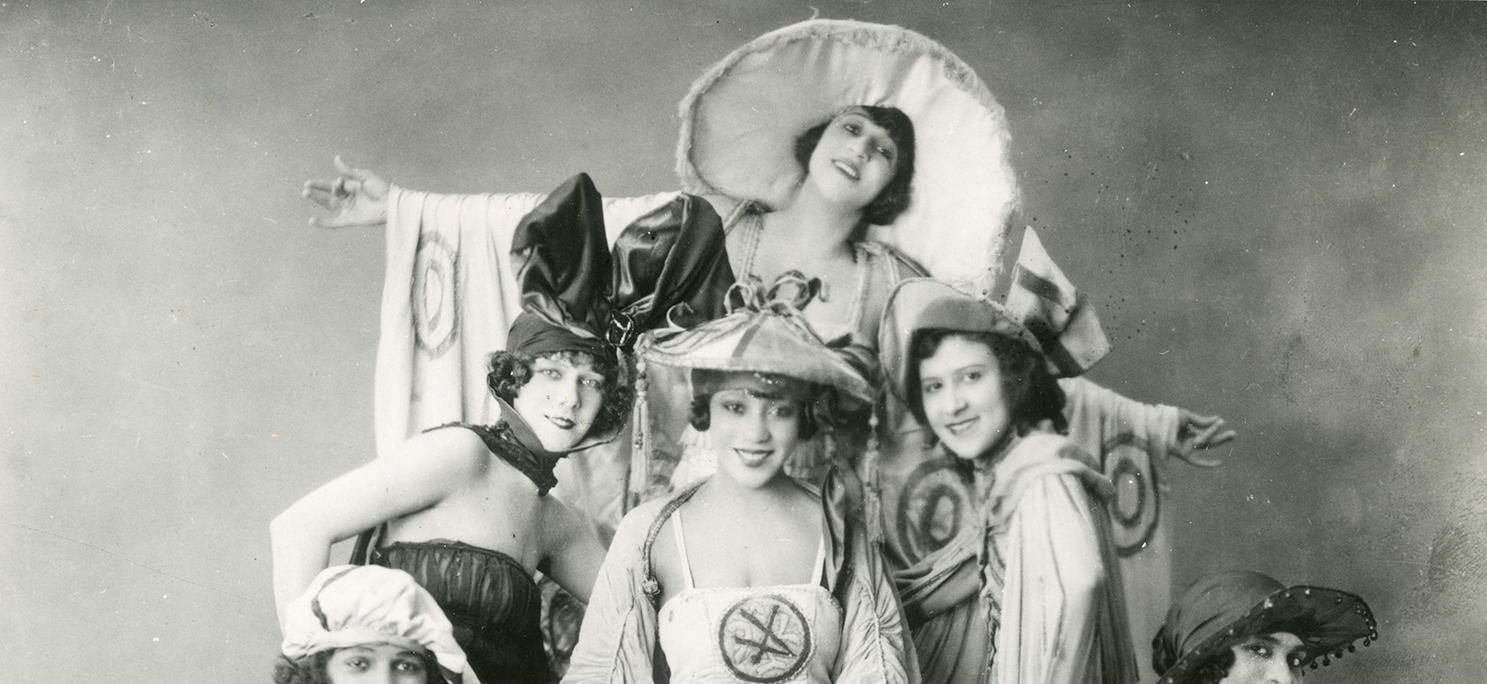
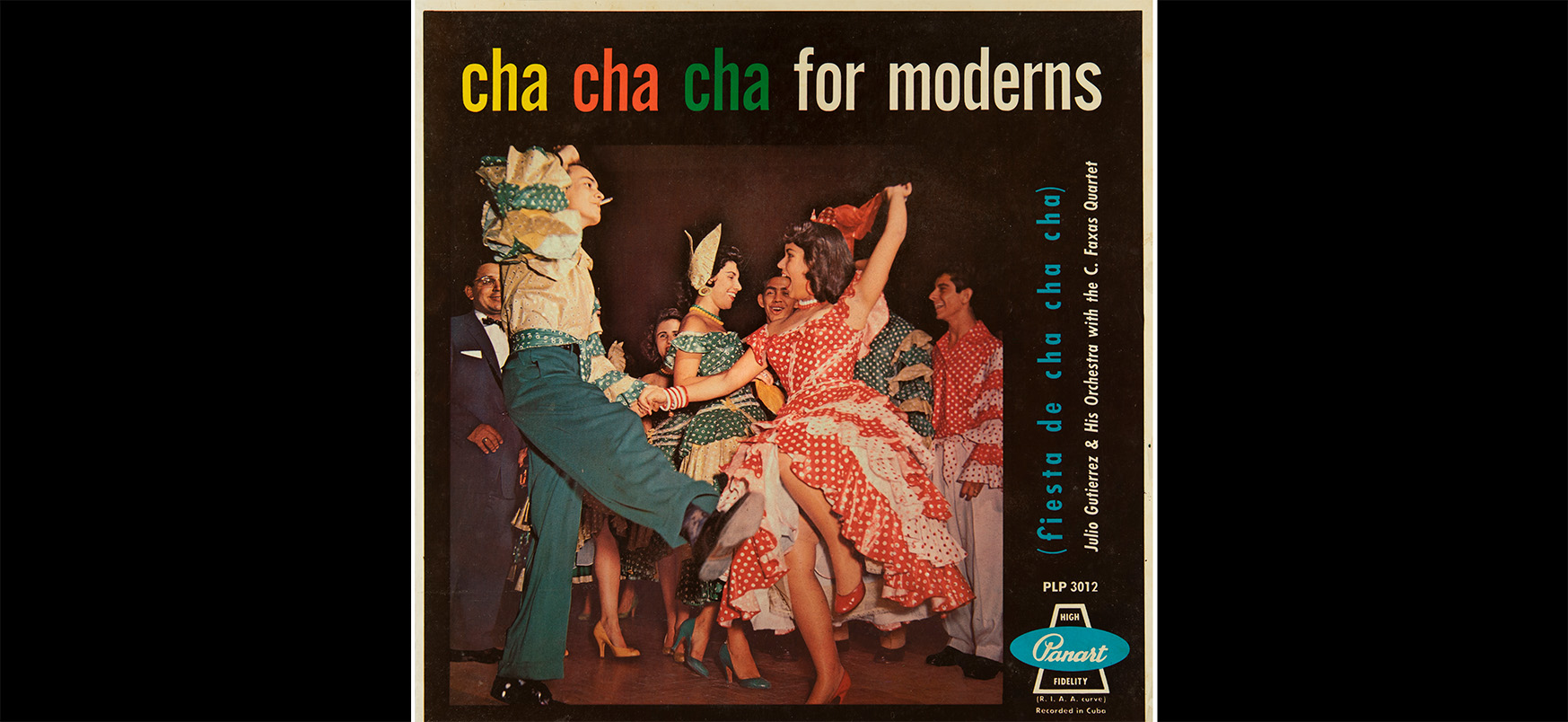
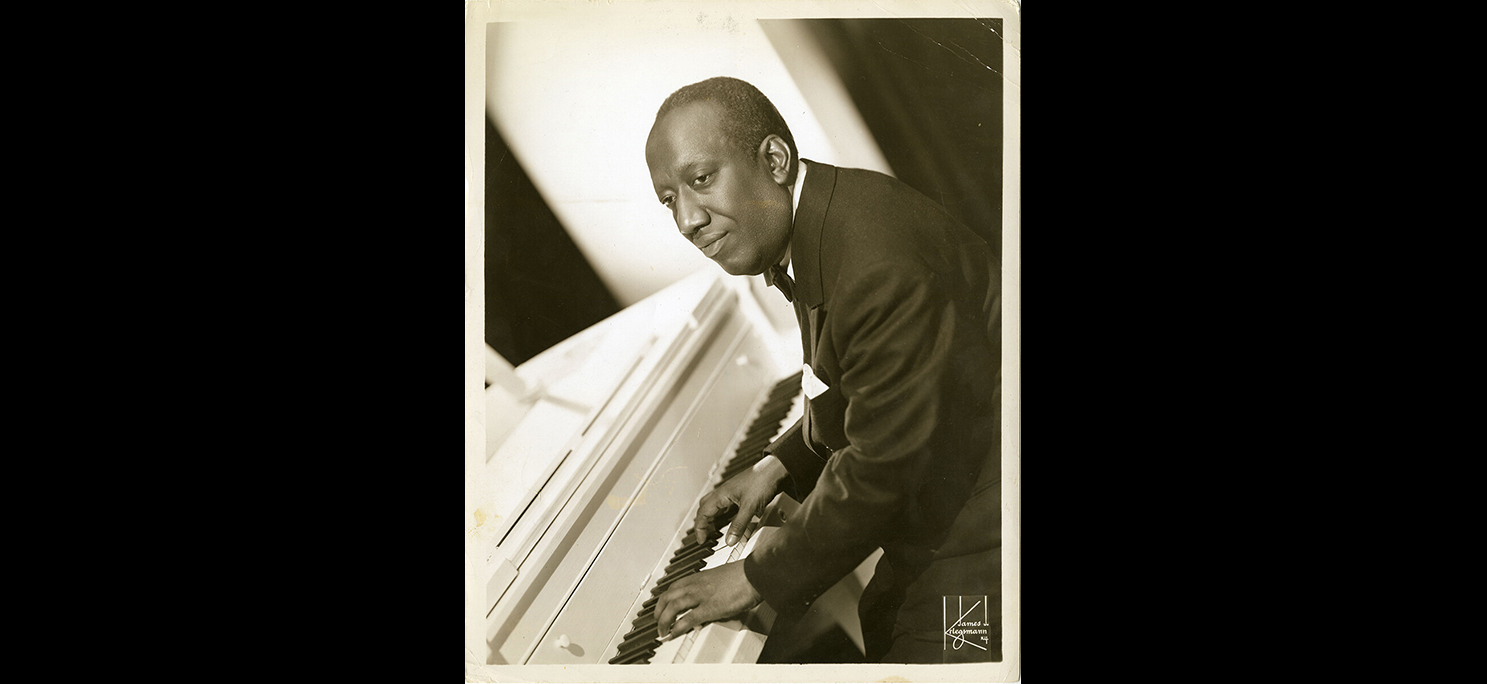
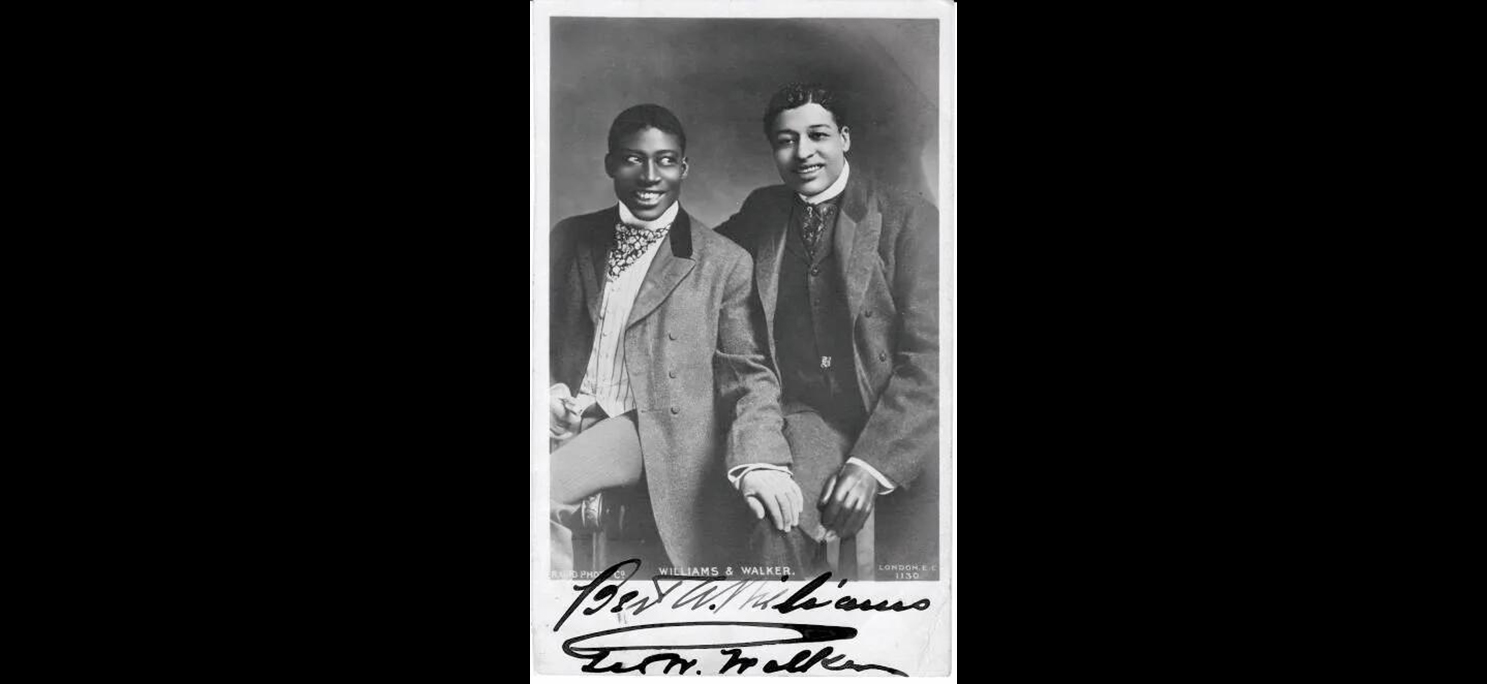
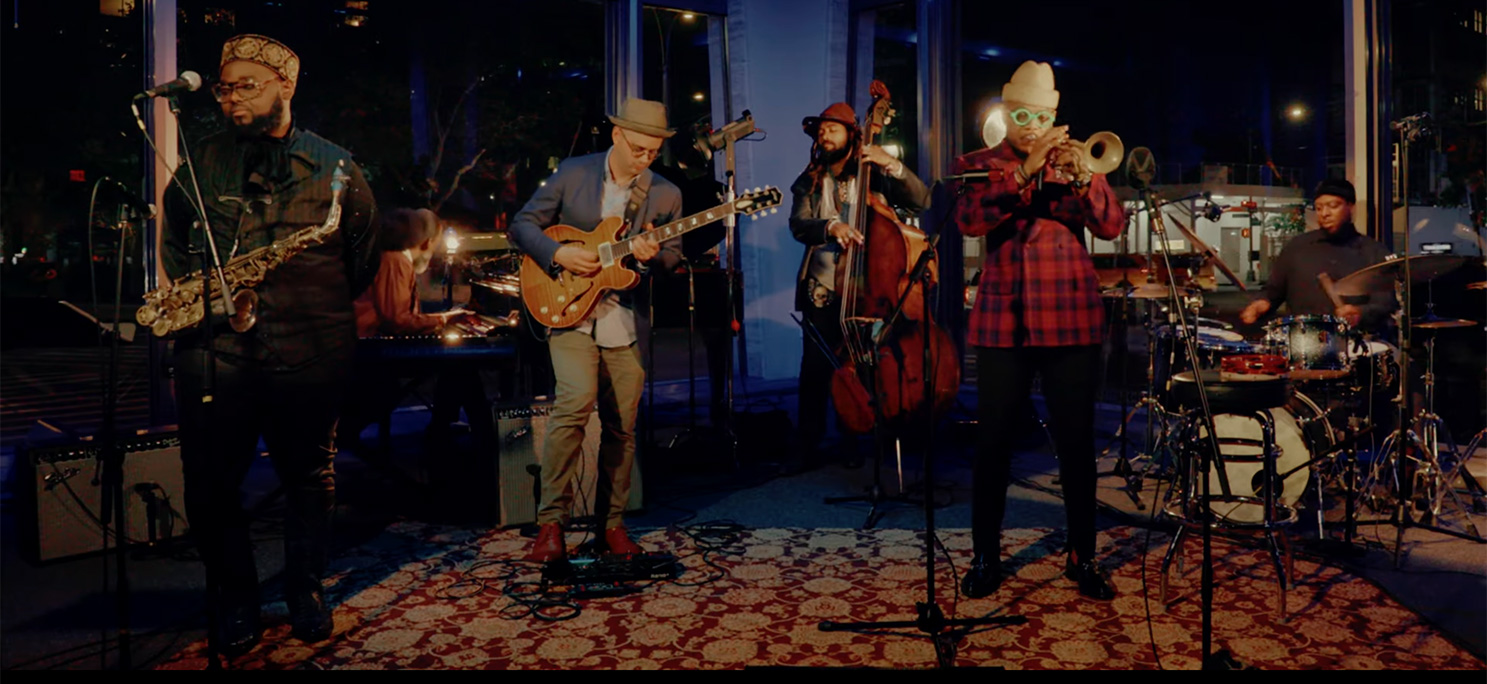
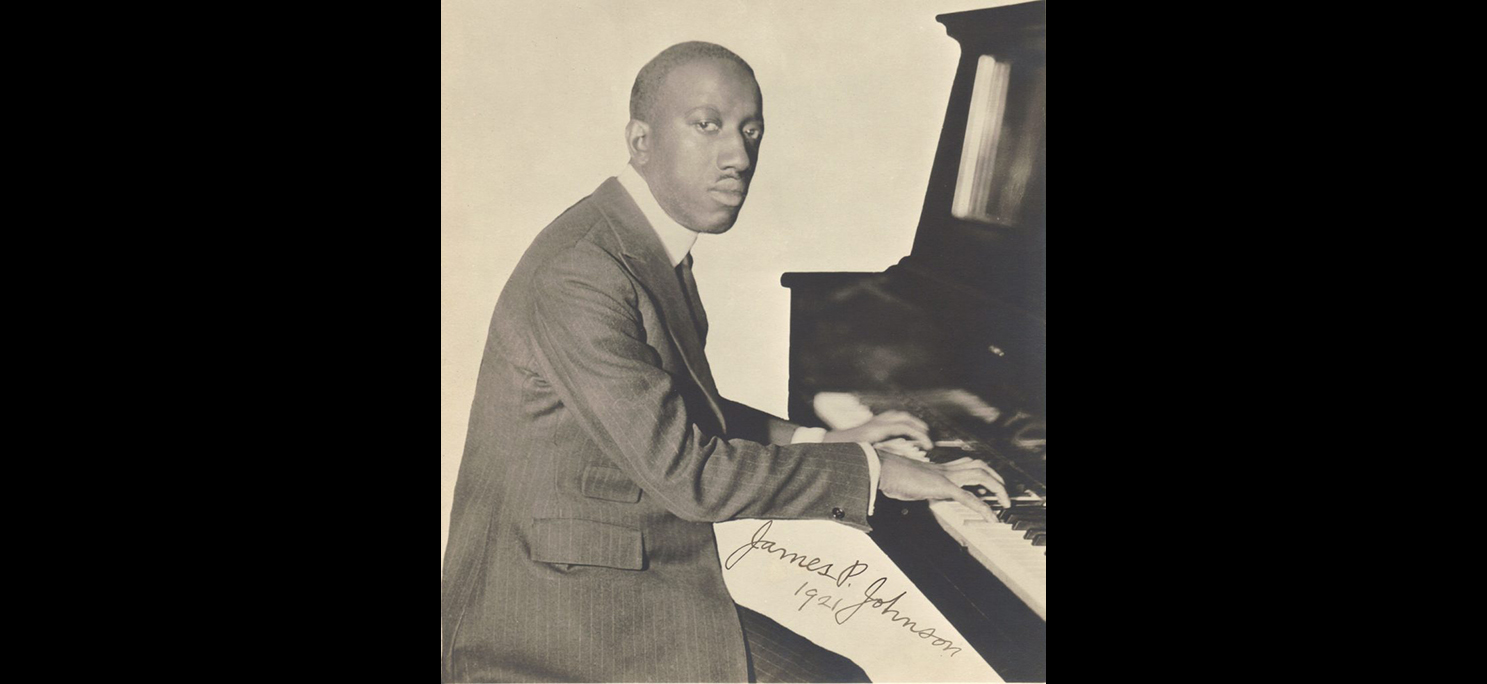
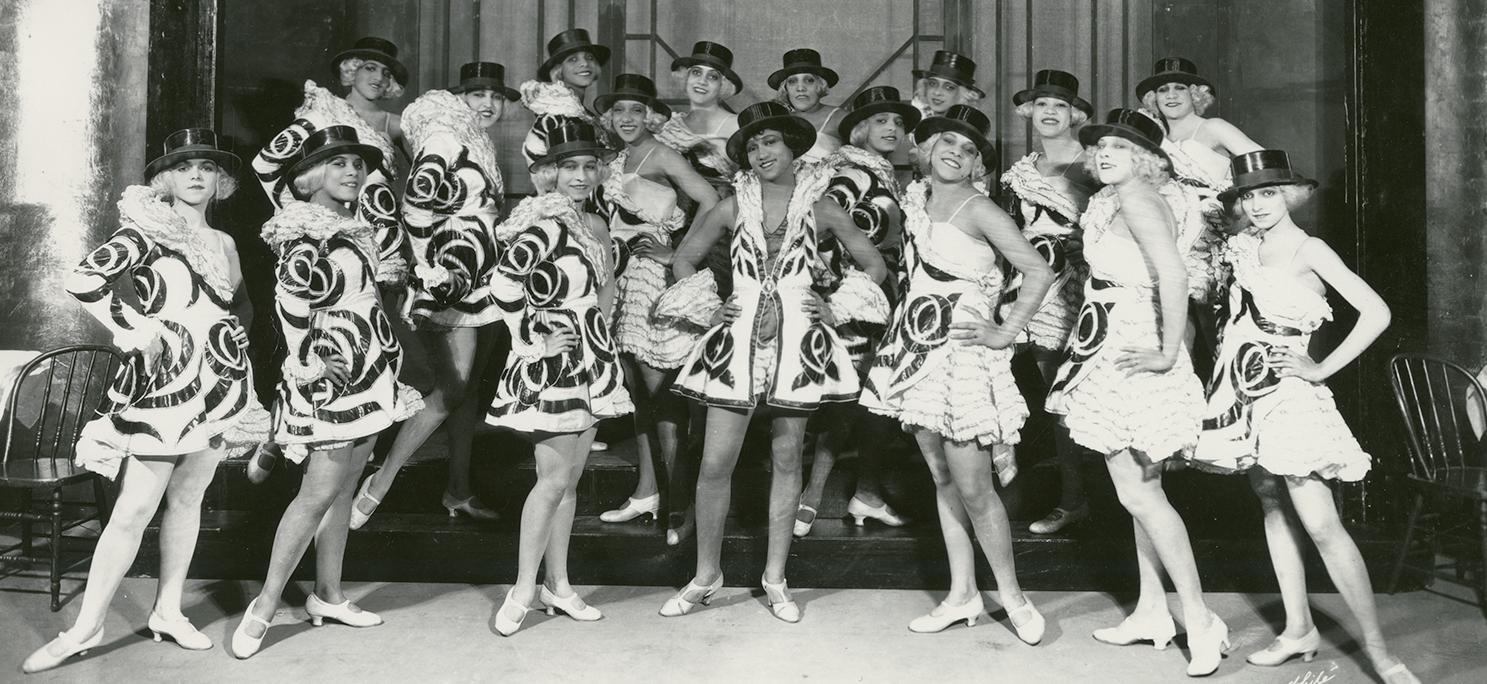
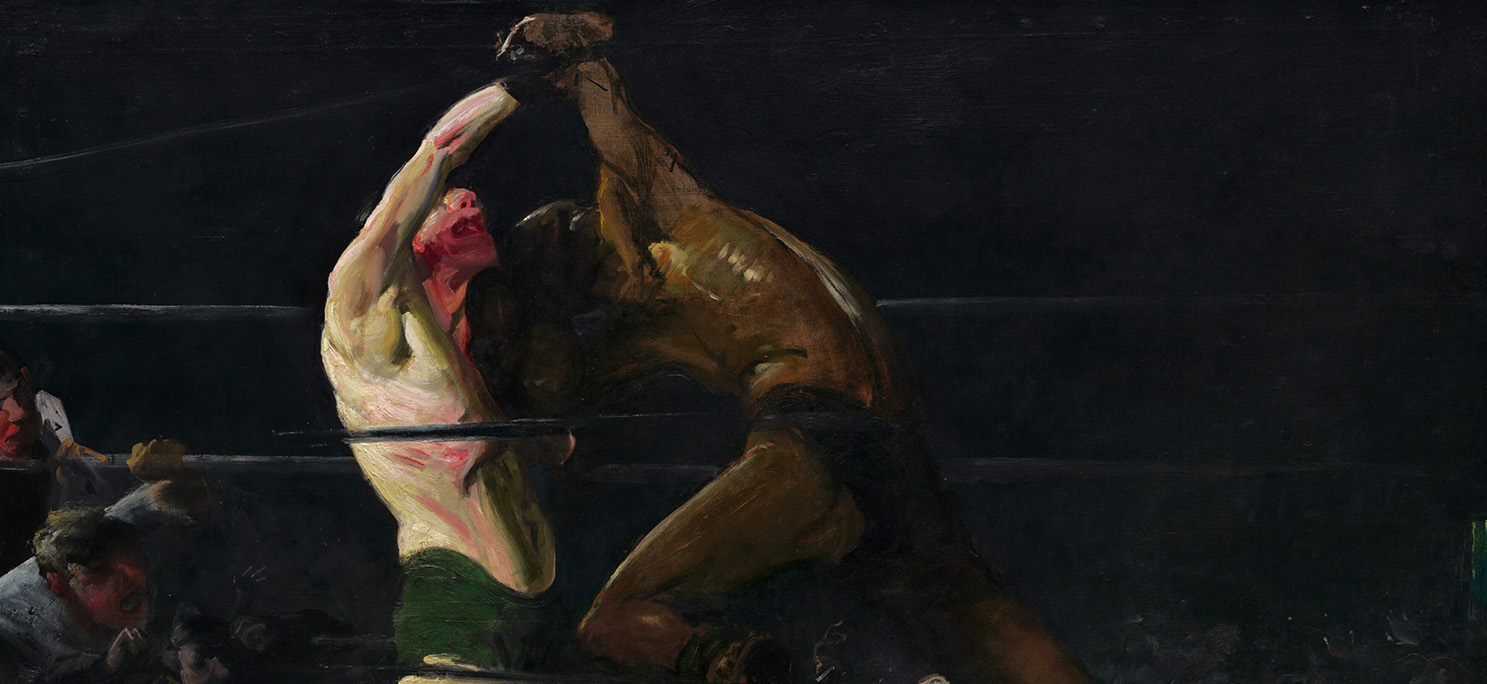
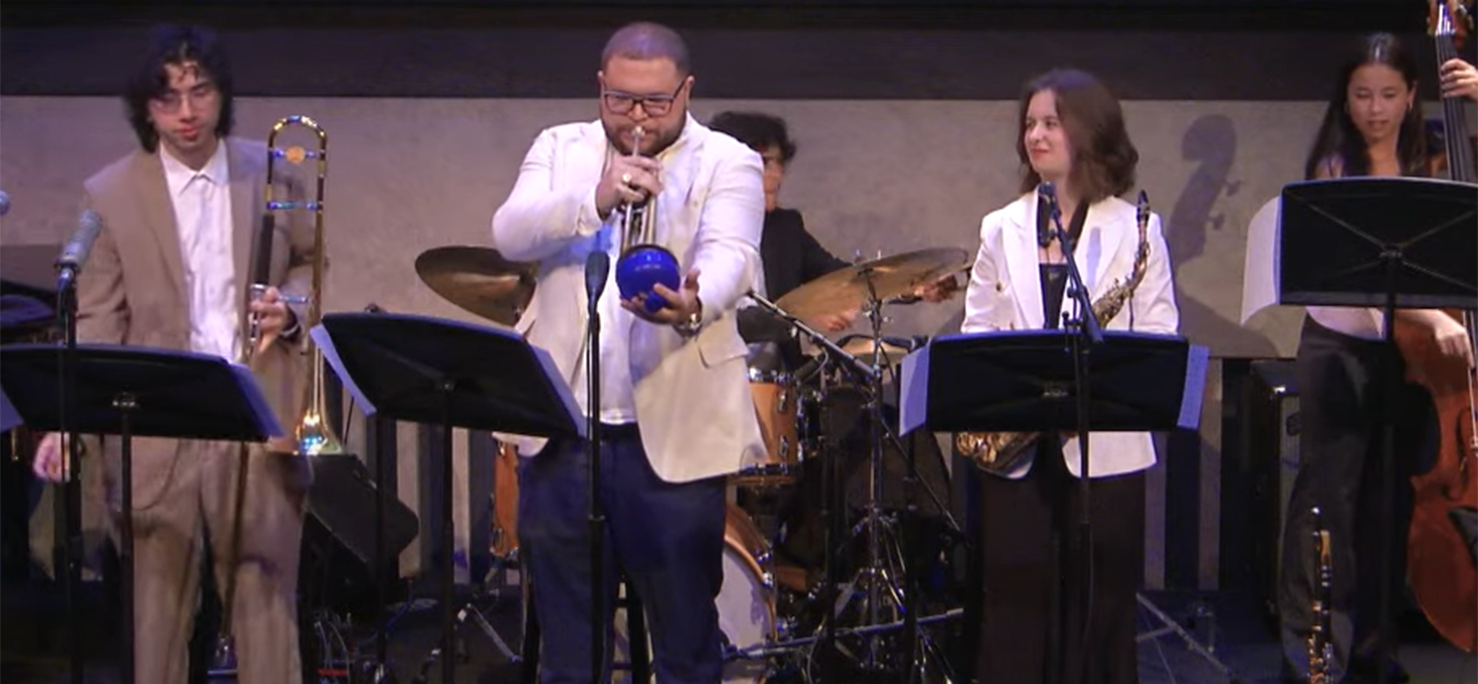
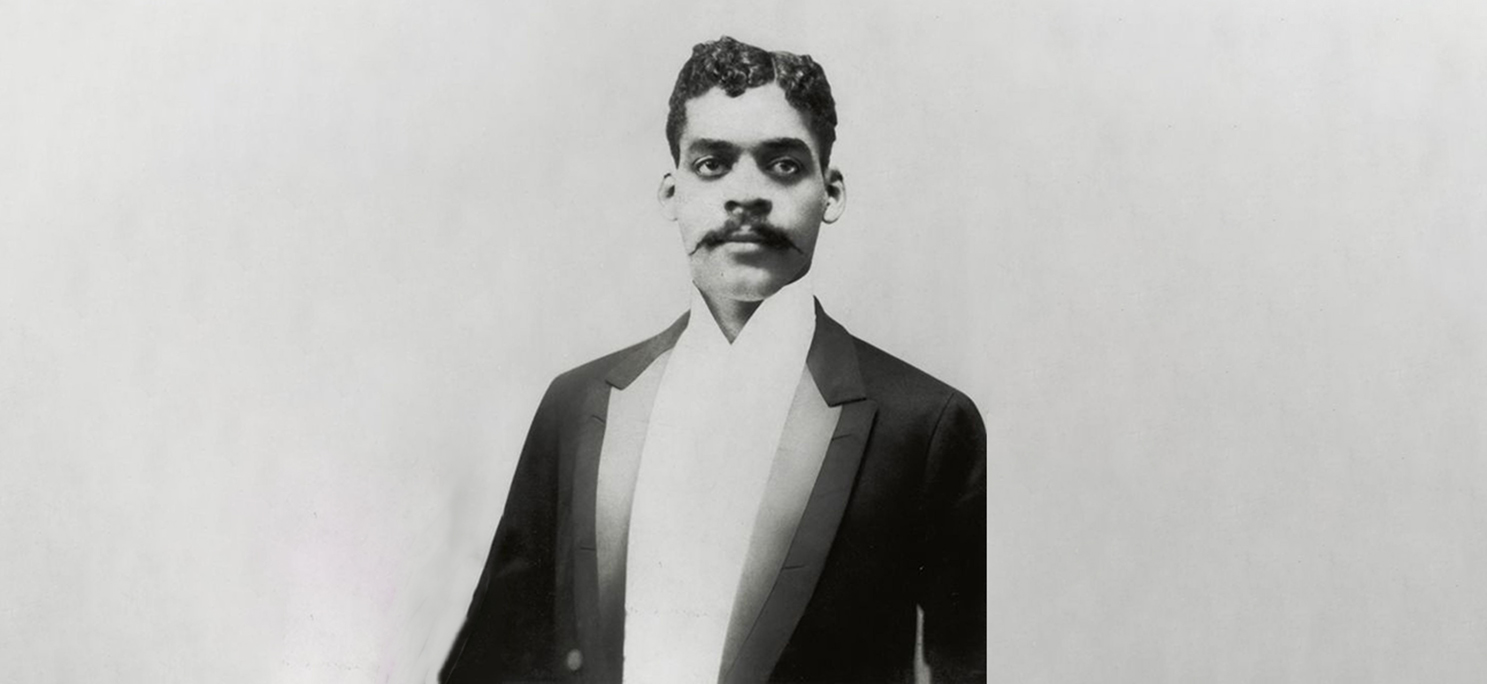
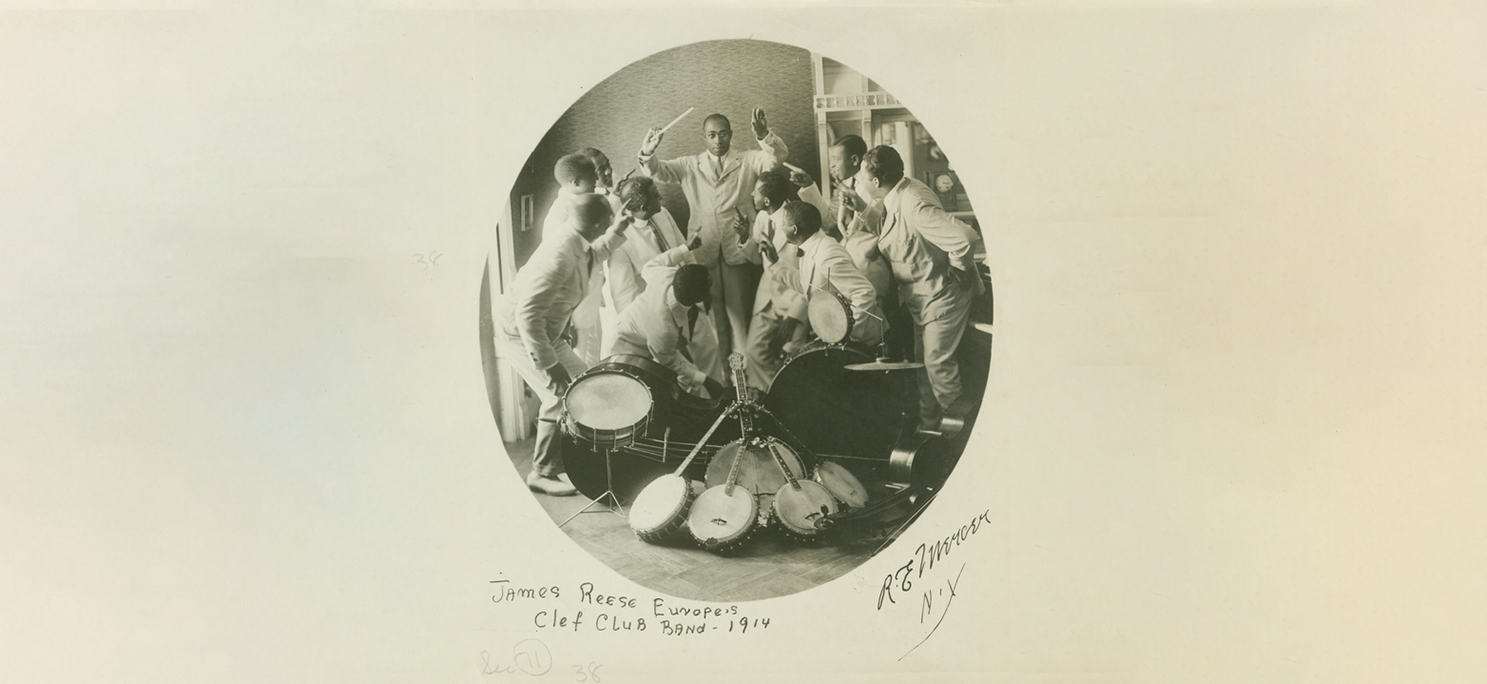
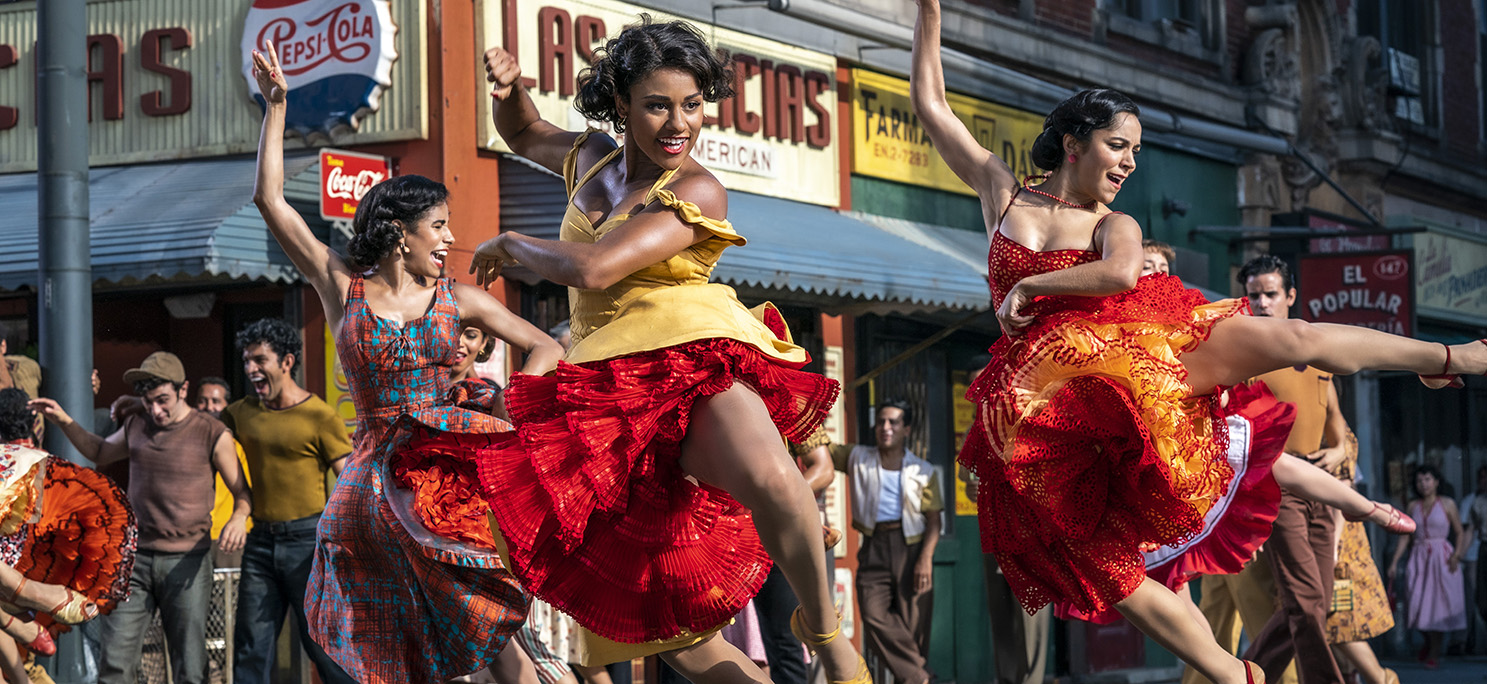
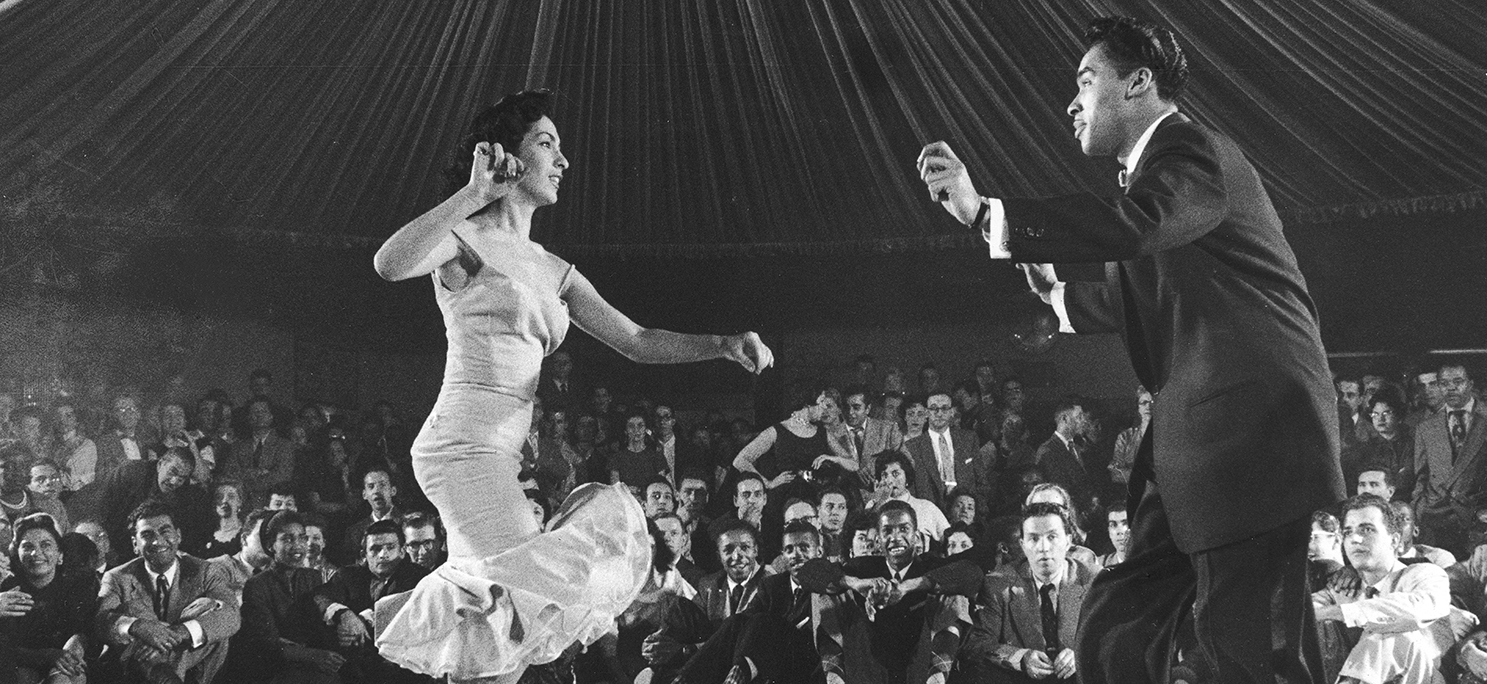
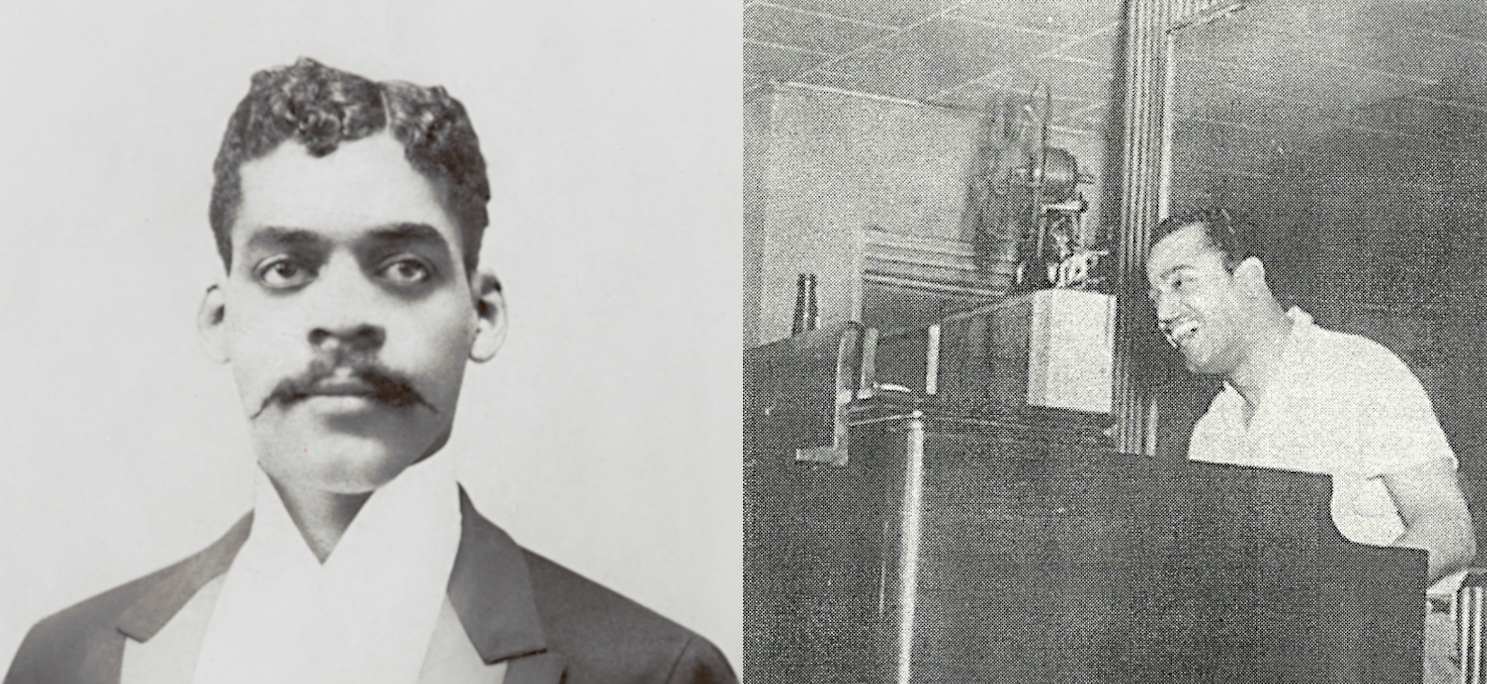
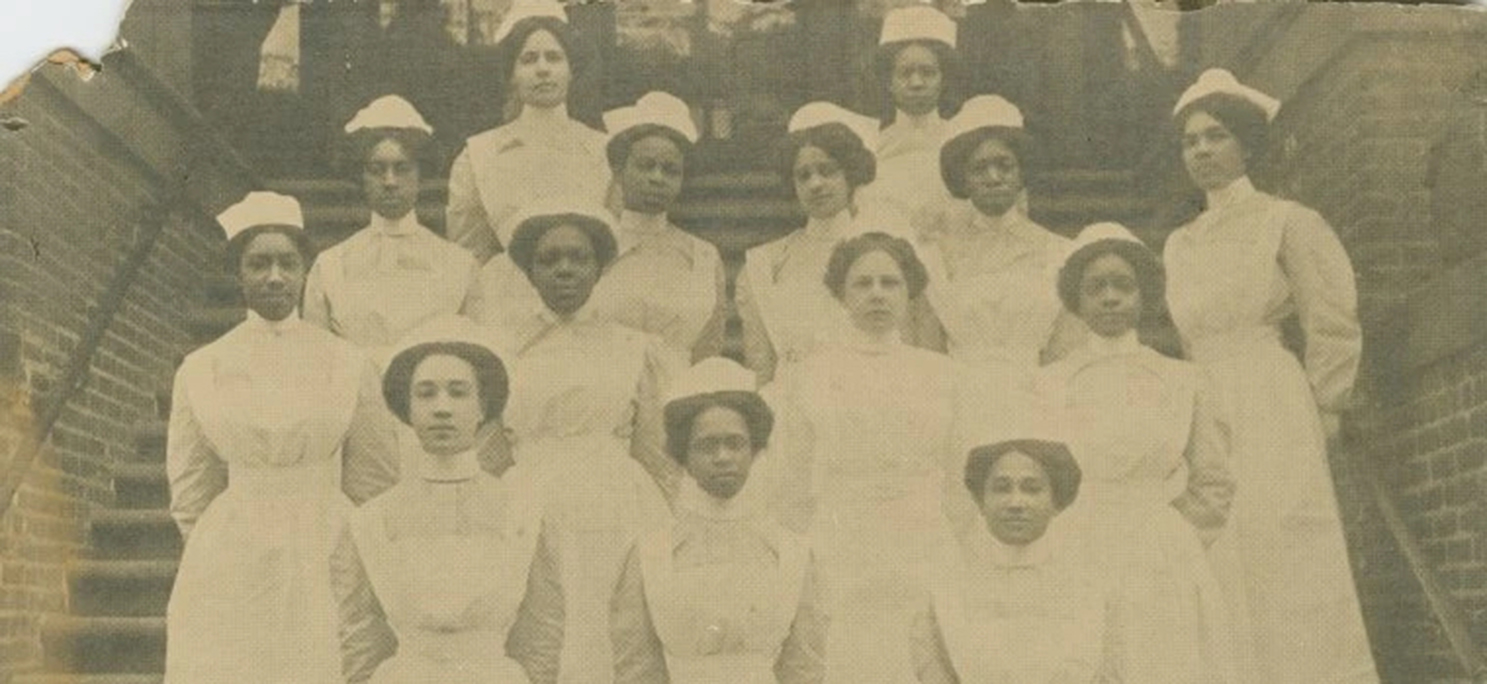
San Juan Hill, and the broader Lincoln Square neighborhood of which it was a part, was a culturally diverse, densely populated, and largely working-class community. It was also a lively cultural center, full of theaters, movie houses, dance halls, schools, and other artist spaces that nurtured luminaries in ragtime, stride, jazz, bebop, mambo and other Afro-Caribbean forms, visual arts, musical theater, and more. Many iconic and influential figures lived there over the years, and their contributions to scholarship, music and art, journalism, social work, and other fields still resonate today.
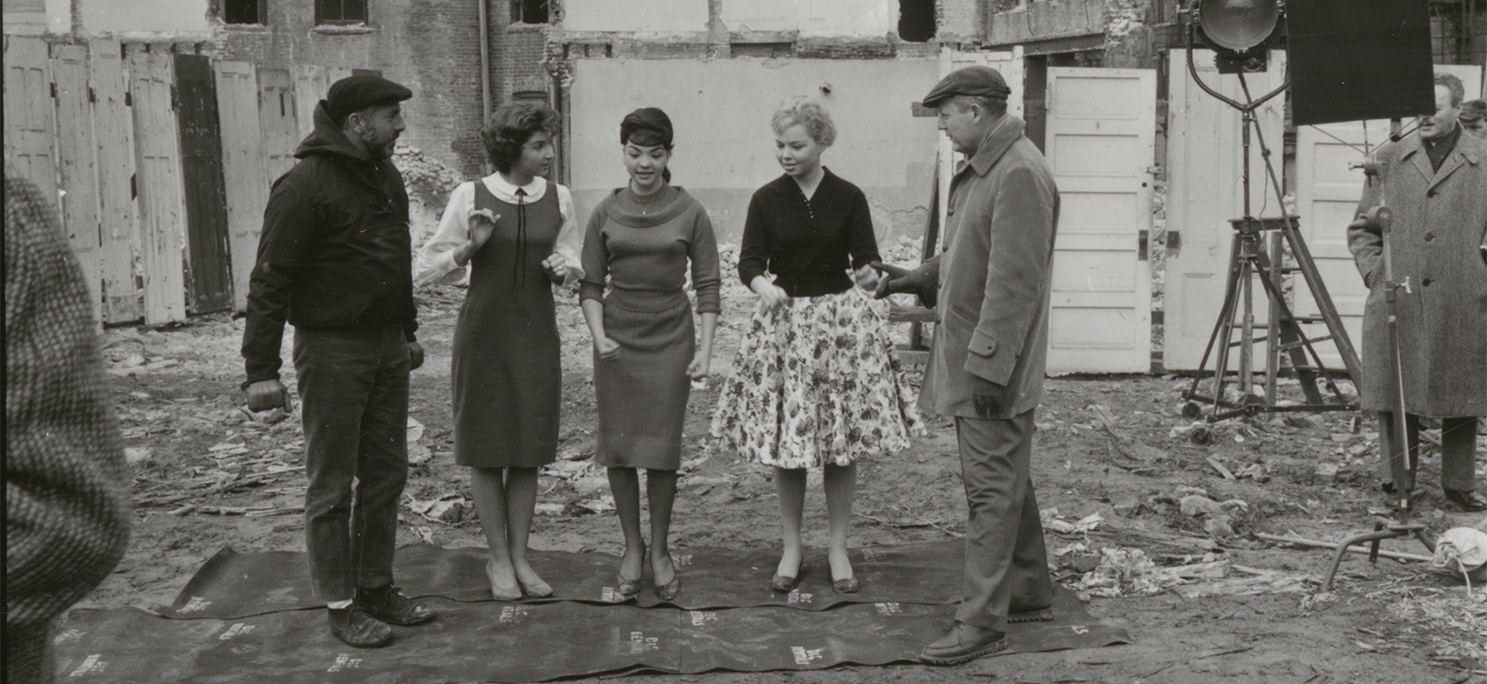
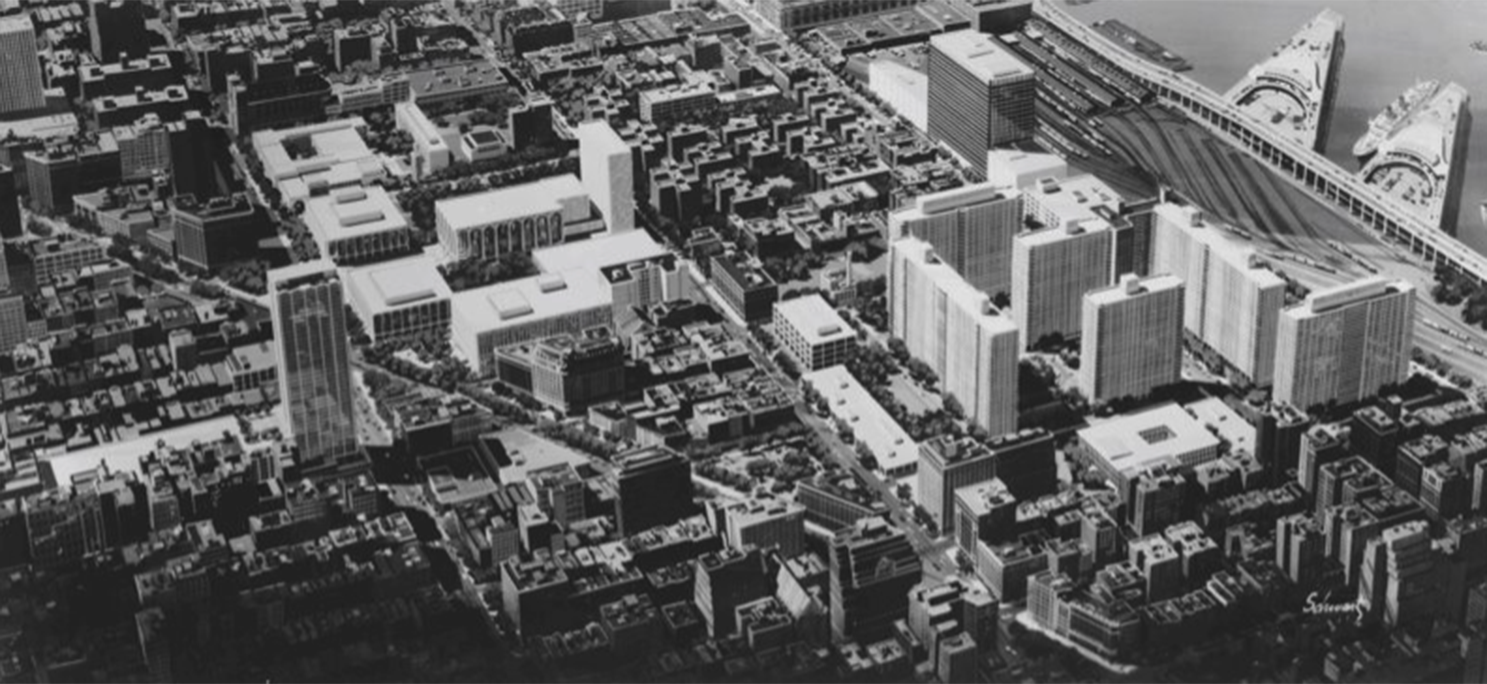
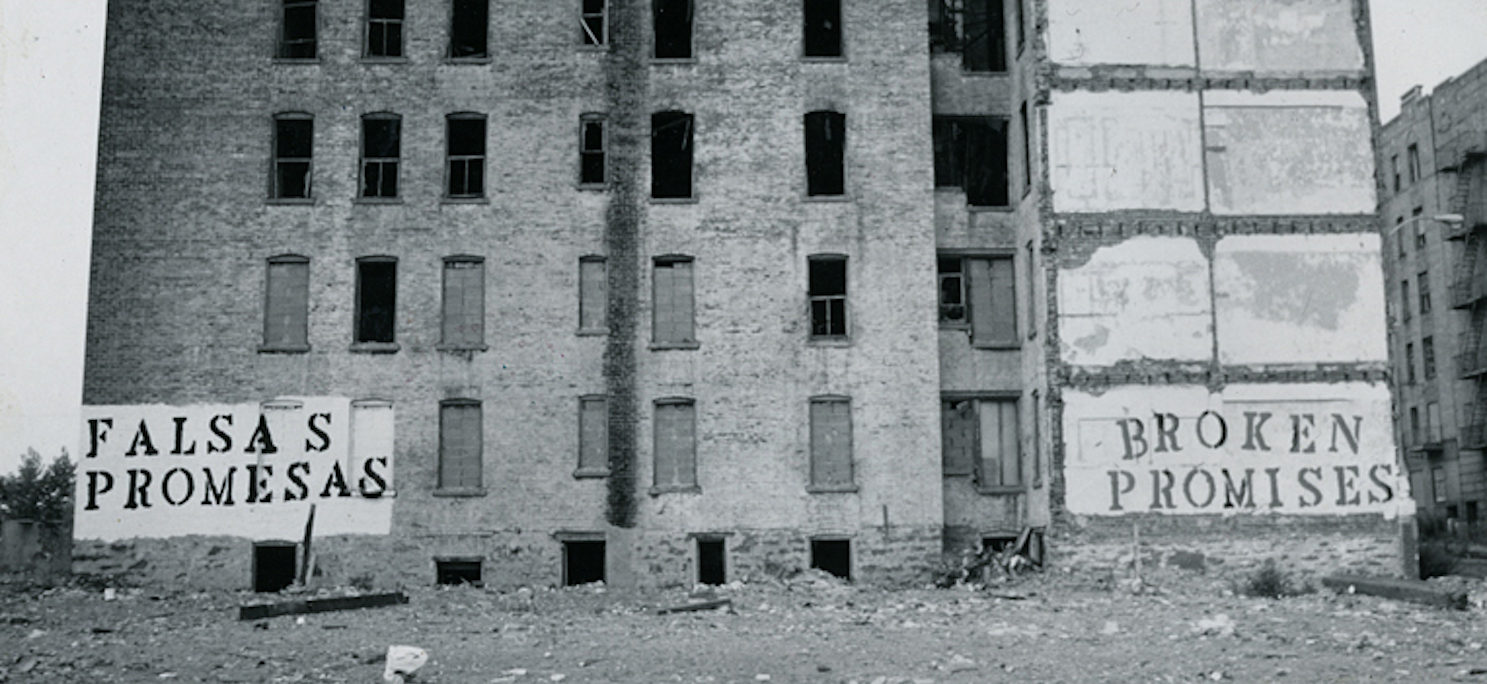
In the 1950s, the area was targeted for “urban renewal”. The Lincoln Square Development Plan, one of many such programs implemented across the country at the time, displaced more than 7,000 families and 800 businesses, demolished hundreds of buildings, and replaced them with a series of superblocks, including Fordham University, Lincoln Towers, and Lincoln Center for the Performing Arts.
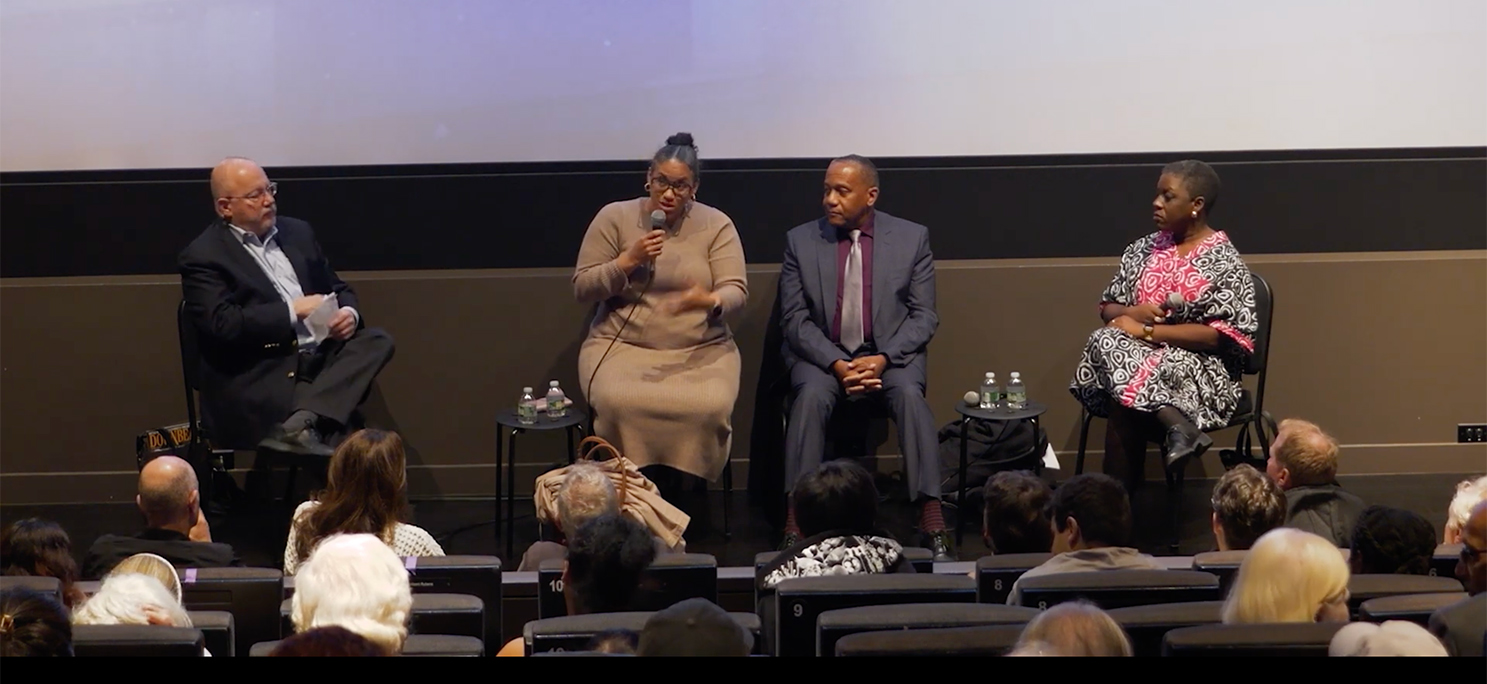
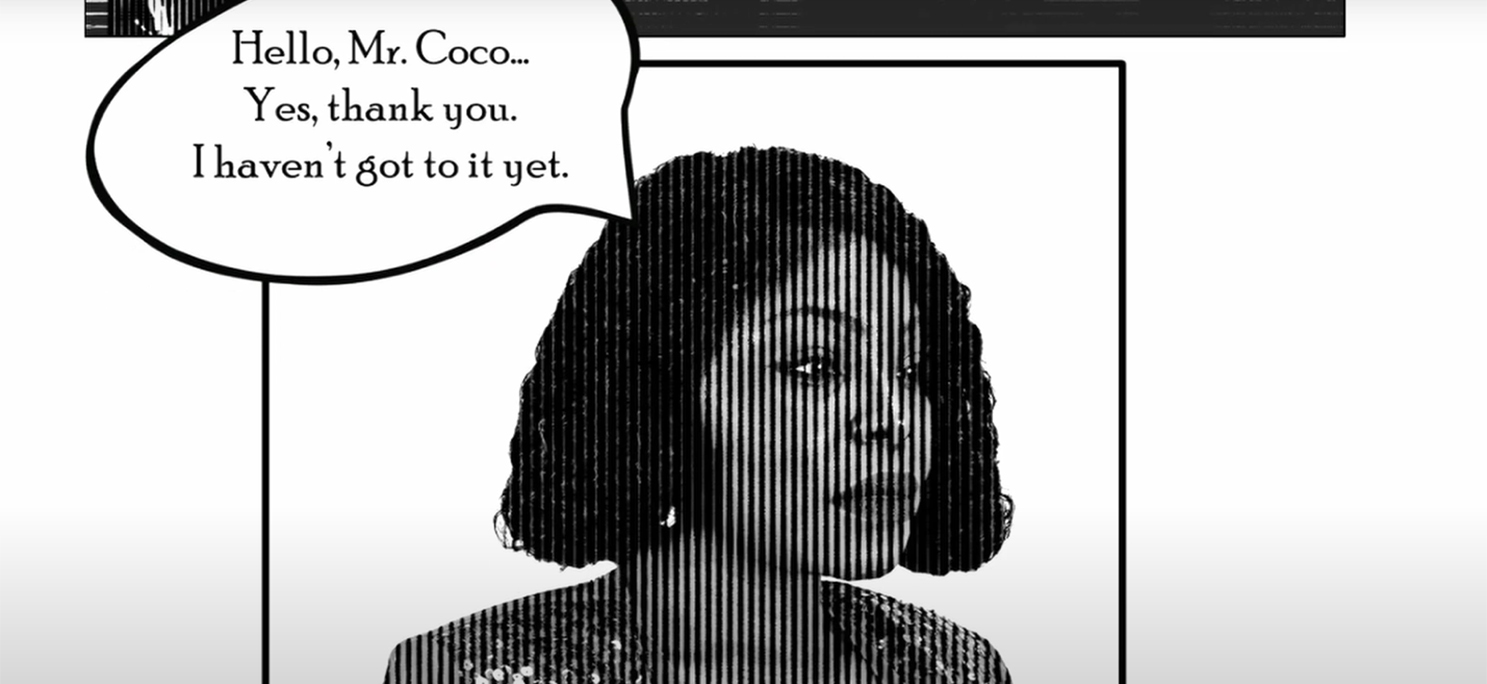
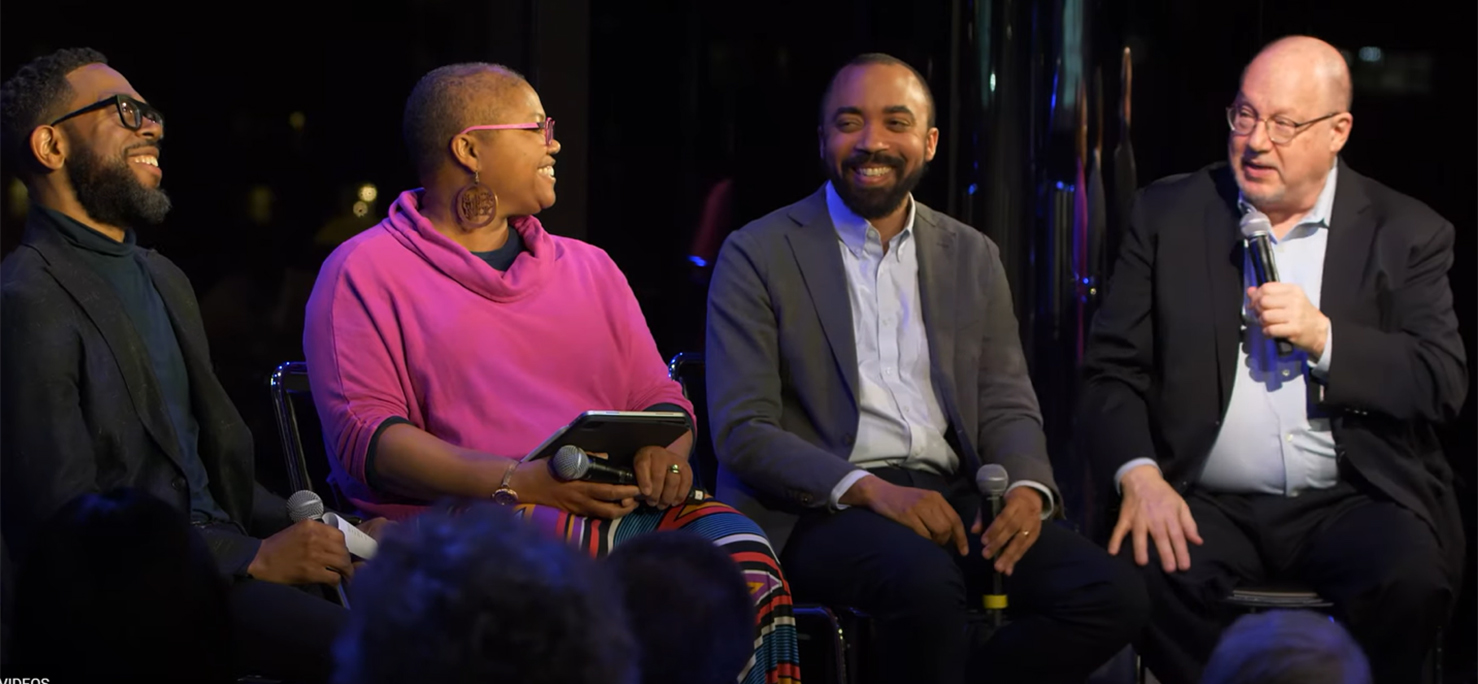
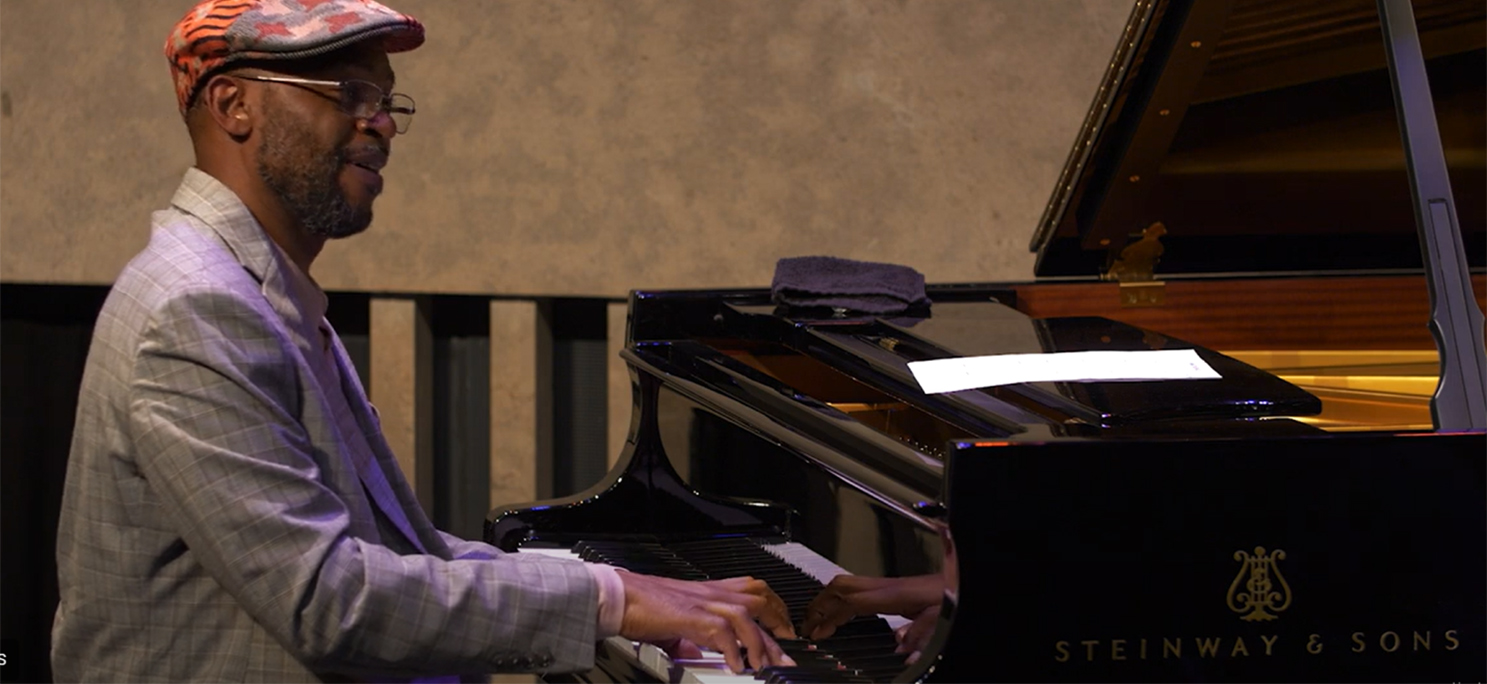
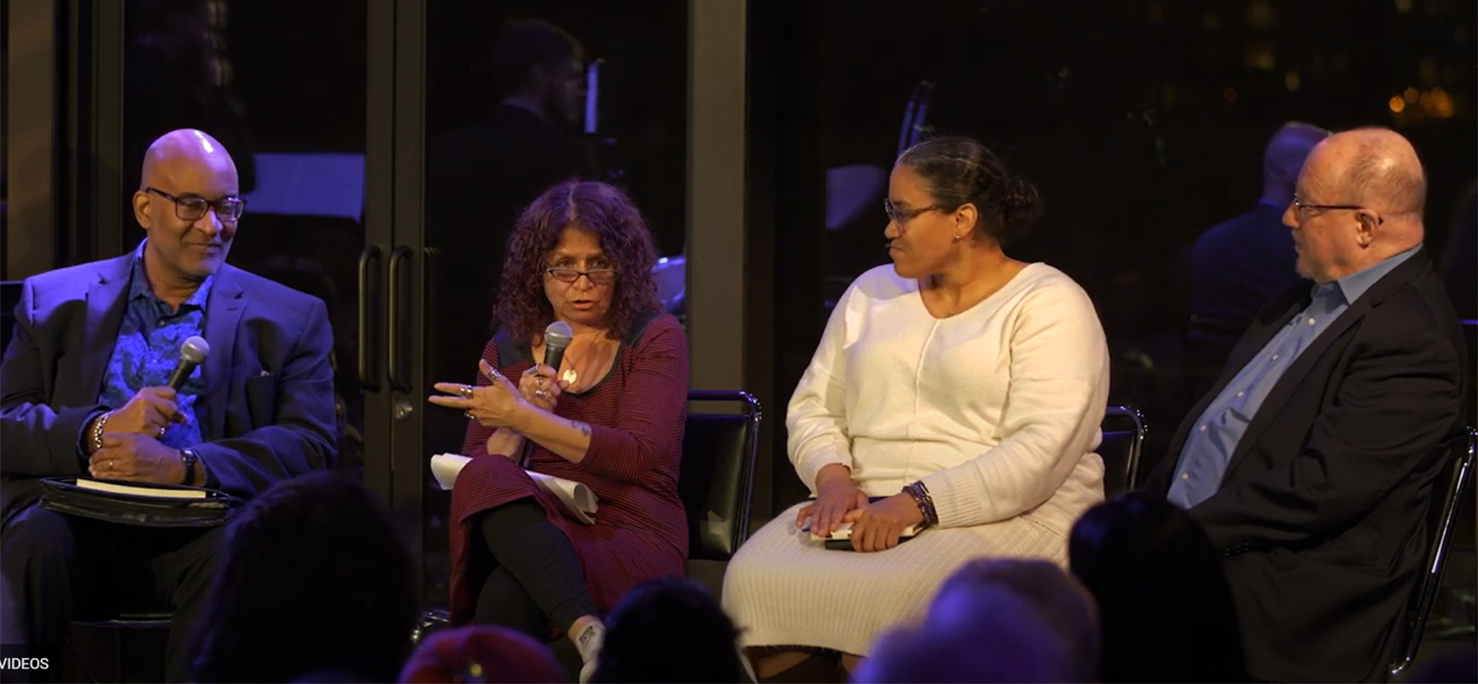
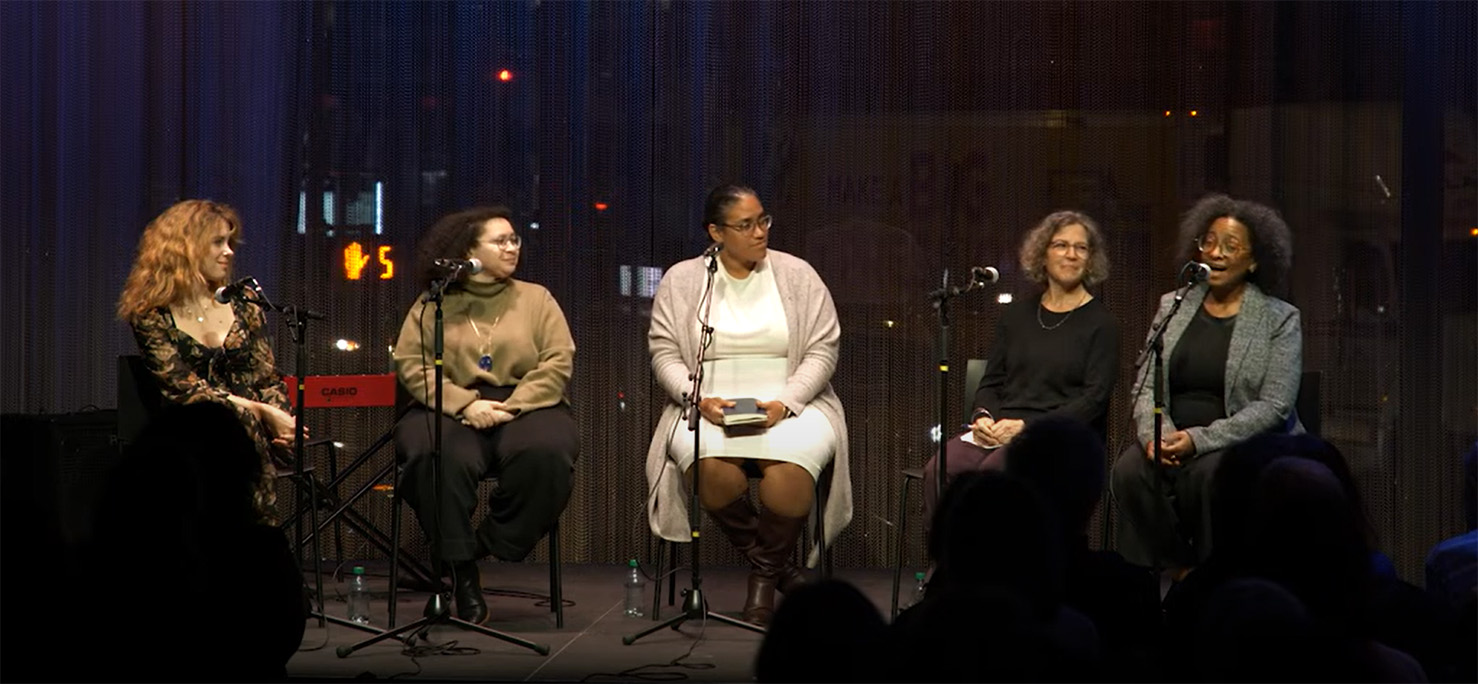
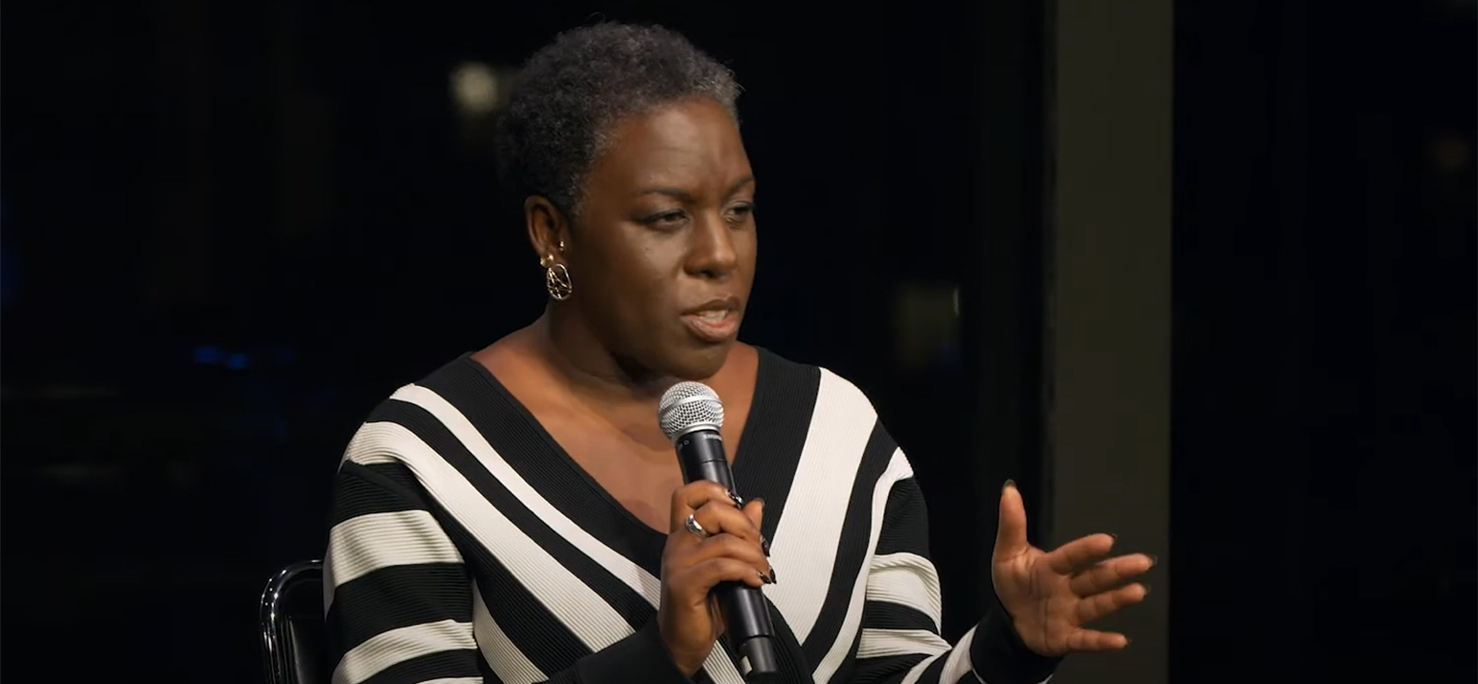
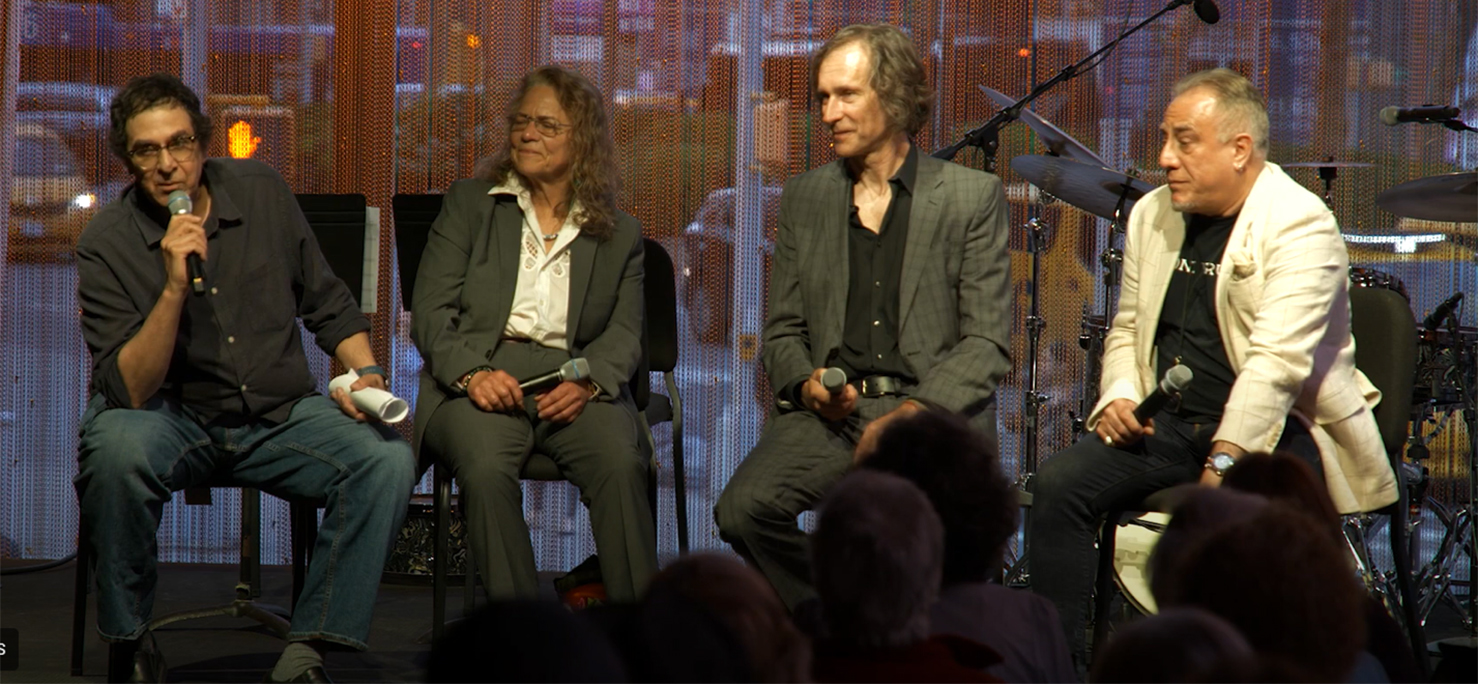
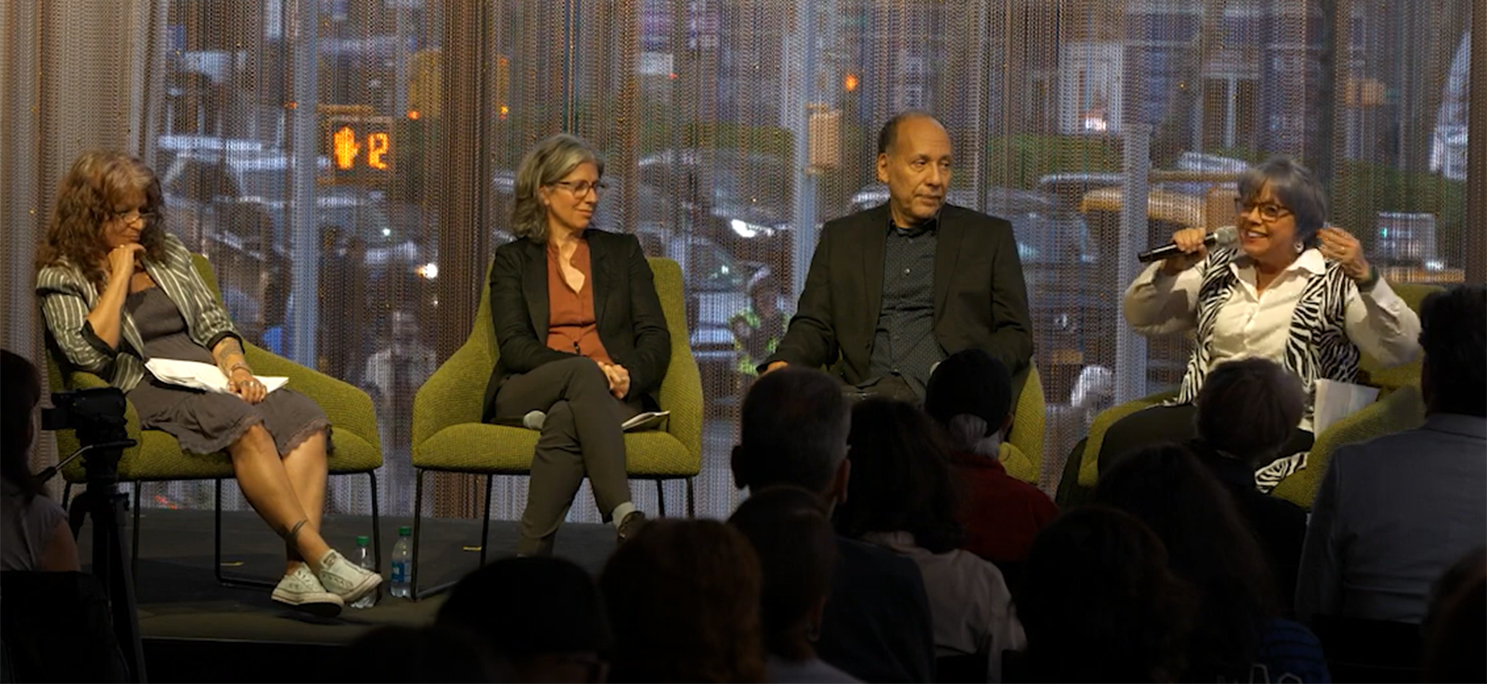
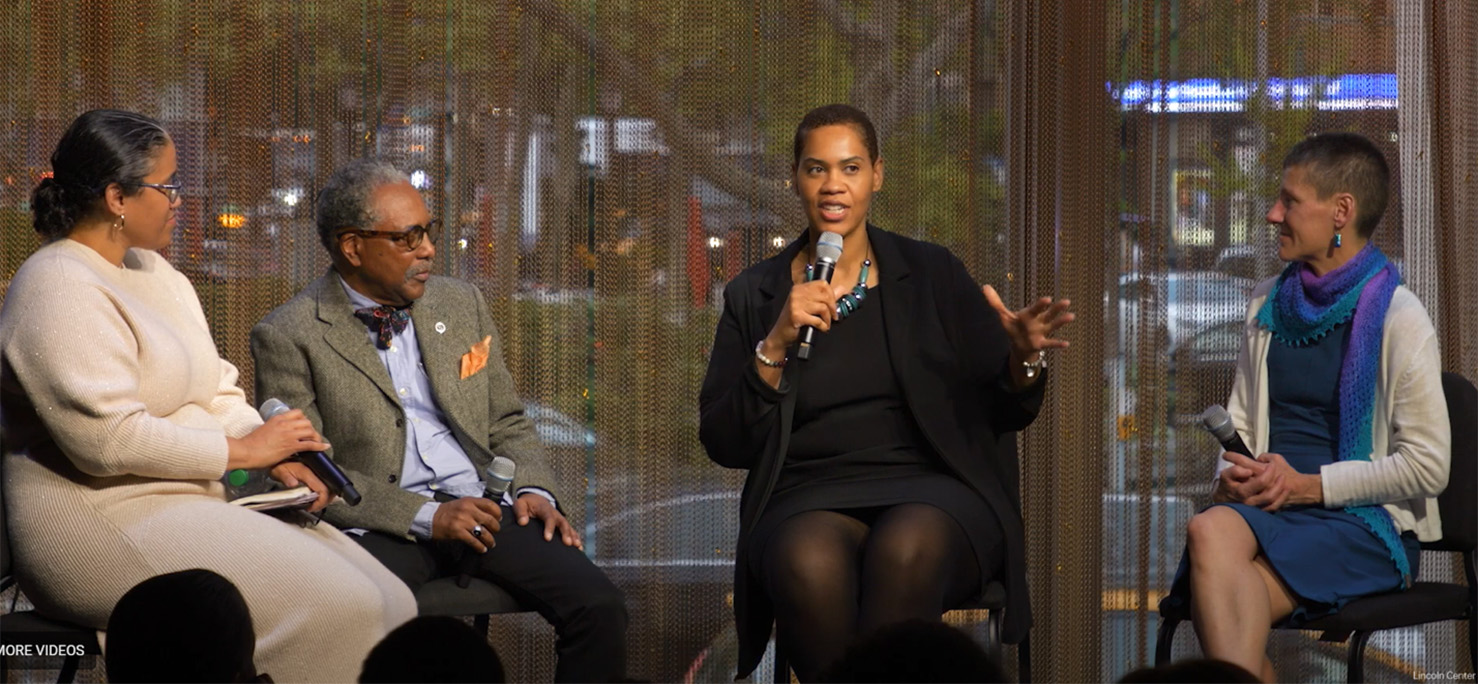
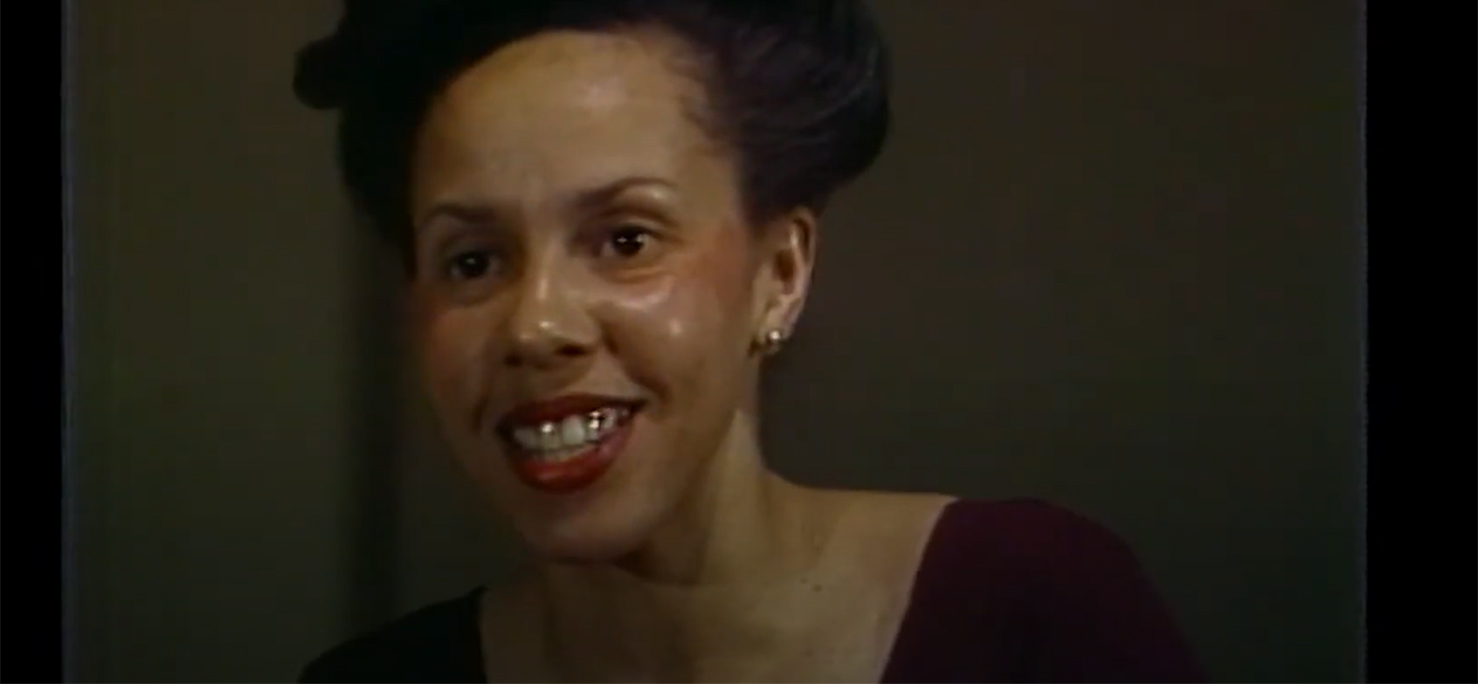
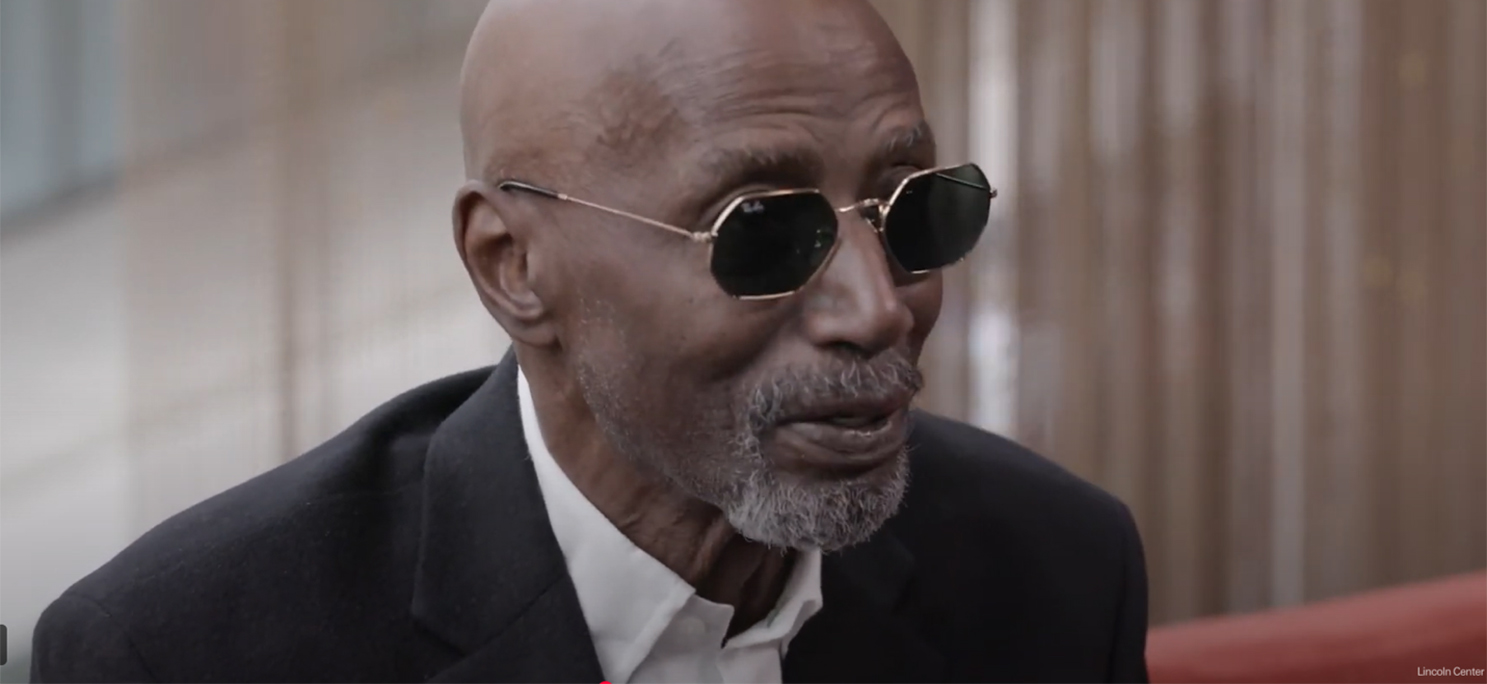
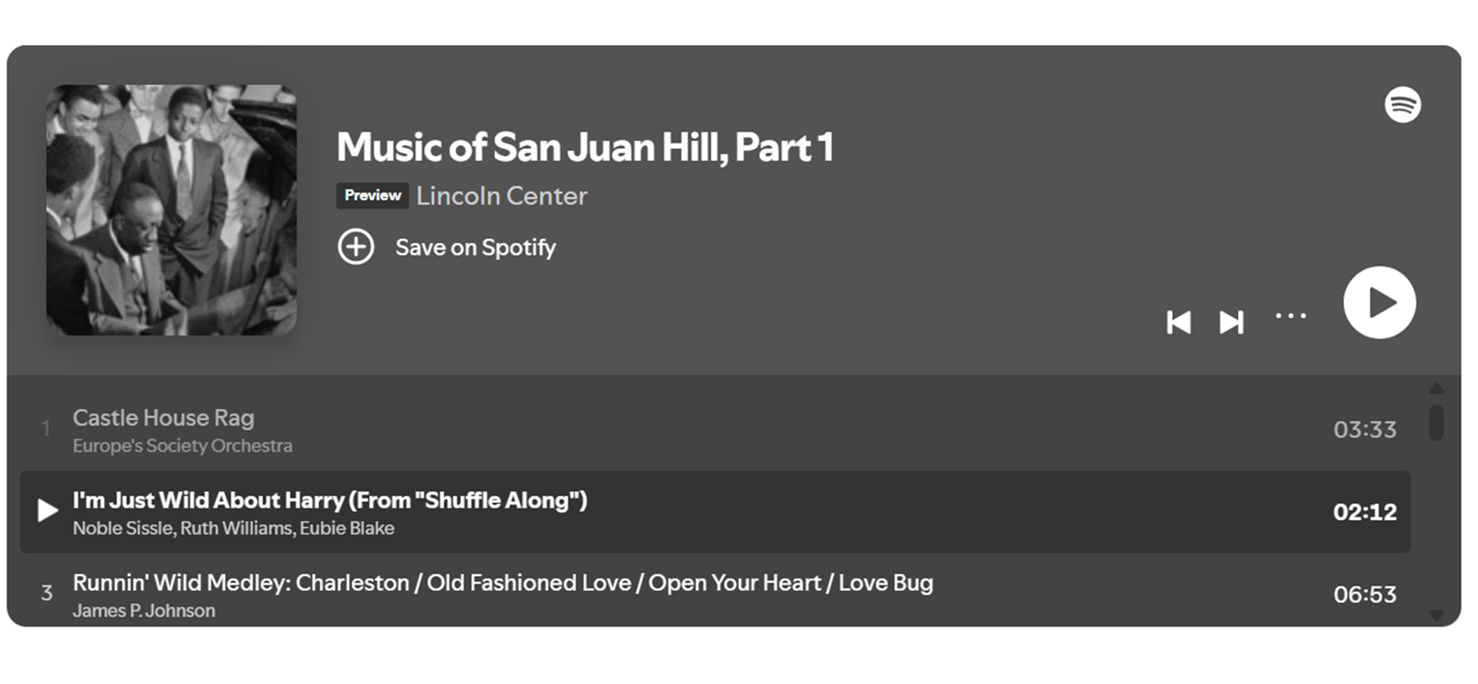
The Legacies of San Juan Hill initiative was created to uplift the complex history, communities, and cultural legacy of this area through artistic programming, commissions, discussions, scholarship, and education. The artists, historians, archivists, journalists, and community members contributing to this project are restoring an important New York story. This digital hub features archival images, articles, video interviews, playlists, recordings of past events, and more. It is a resource that will grow over time.
Lincoln Center is committed to building an inclusive cultural home for all. If you have questions about the media featured on this site or want to share a personal connection to the neighborhood, please email [email protected].
Top image courtesy of: NYC Parks Photo Archive